
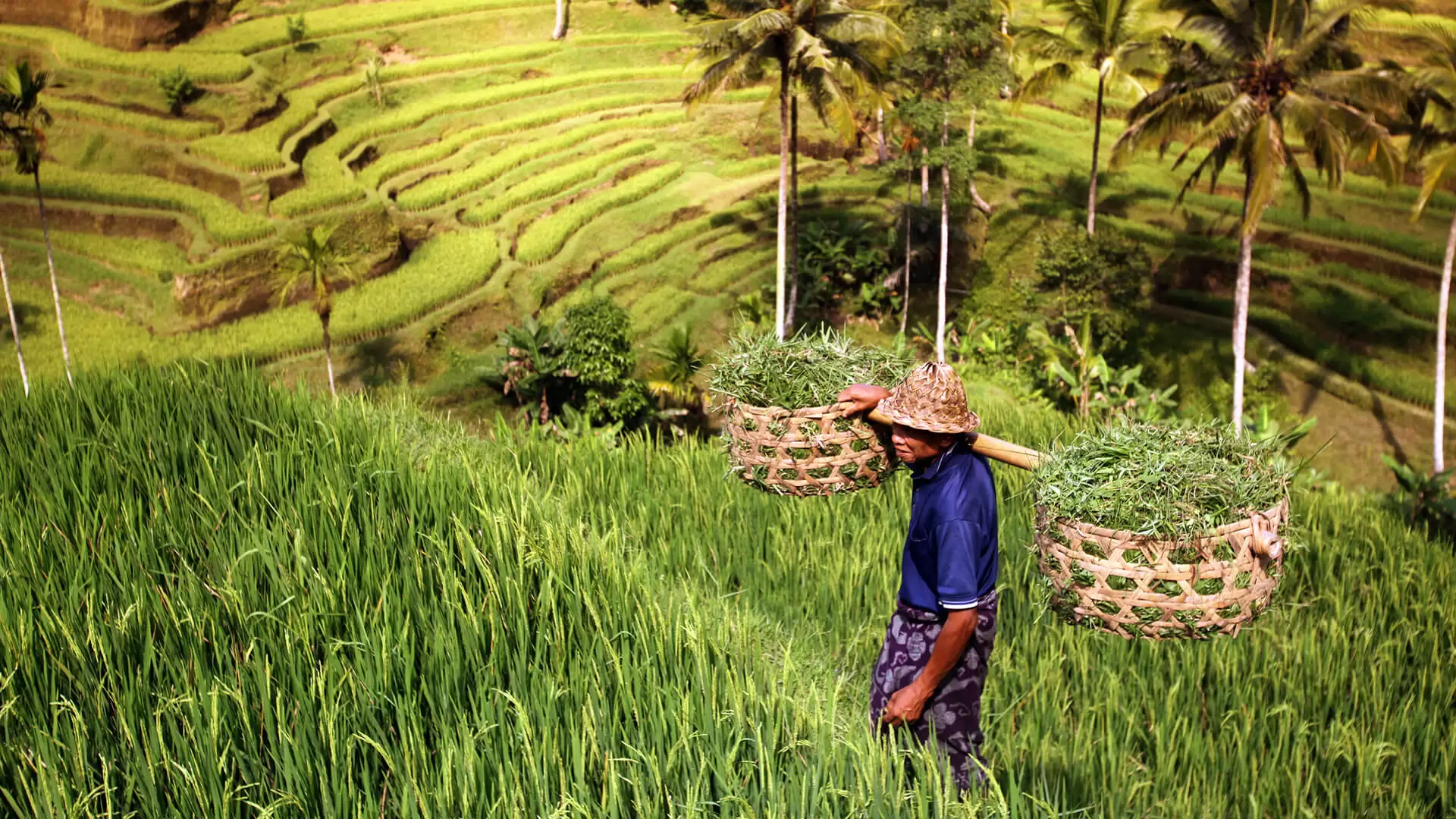
Agriculture has long shaped Bali’s landscapes, culture, and way of life.
From the terraced rice fields climbing volcanic slopes to small farms of tropical fruits and vegetables, the land remains at the heart of Balinese identity.
While tourism now drives much of the economy, farming still plays a vital role in food production and cultural preservation. Traditional methods continue to guide water distribution and cooperation among farmers.
Yet as younger generations turn to tourism and climate change alters rainfall and soil health, Bali’s farmers are adapting.
Many now blend ancient techniques with sustainable and regenerative practices designed to protect both the land and its people.
Agriculture in Bali isn’t just about growing rice, it’s about keeping alive a rhythm of life that has connected the Balinese people, their environment, and their beliefs for centuries.
Rooted In Tradition
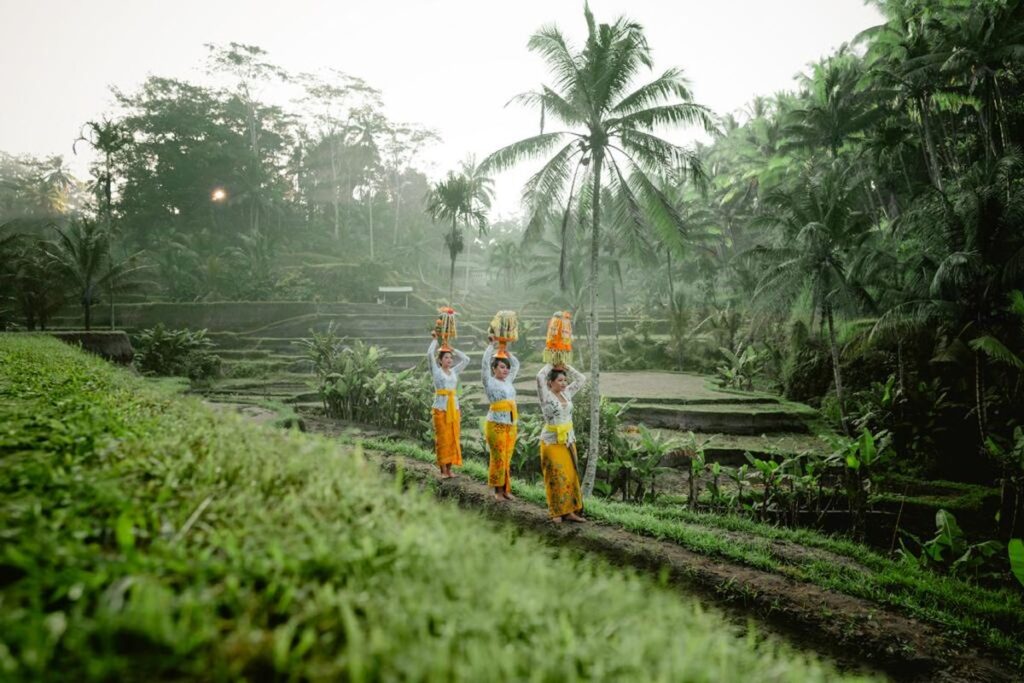
For centuries, Balinese agriculture has been guided by a philosophy that connects people, nature, and spirit. This relationship is most clearly seen in the subak, the island’s ancient irrigation system recognised by UNESCO for its cultural significance.
The subak isn’t just a clever way to share water; it’s a social and spiritual network. Farmers work together to manage water distribution, holding temple ceremonies to honour Dewi Sri, the goddess of rice and fertility. Every stage of the growing cycle, from planting to harvest, carries ritual meaning.
These traditions have helped sustain Bali’s fertile landscapes for over a thousand years. Even today, the rhythm of agricultural life follows the Balinese calendar, with planting, resting, and harvesting all planned around religious festivals and offerings.
It’s a way of farming that honours both the land and the divine, keeping the island’s cultural roots alive through every grain of rice.

Main Crops And Agricultural Land In Bali
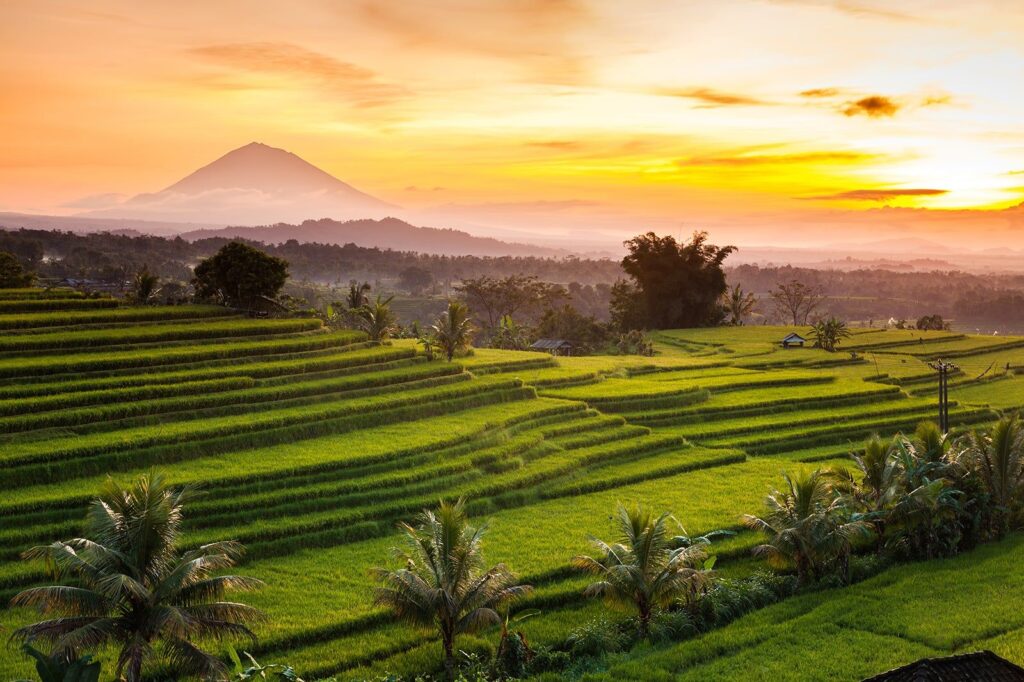
Bali’s fertile volcanic soil and tropical climate make it one of Indonesia’s most productive farming regions. Rice has always been the island’s most important crop, not only as a staple food but also as a symbol of life and prosperity.
The famous stepped rice fields of Tabanan, Gianyar, and Bangli are living works of art, shaped over centuries by careful irrigation and community effort.
Beyond rice, local farmers grow a wide range of tropical fruits and vegetables. Bananas, papayas, coconuts, mangos, and pineapples thrive across the lowlands, while coffee, cocoa, and cloves are cultivated in the cooler mountain areas.
Smaller plots also yield corn, peanuts, and chillies that supply local markets and restaurants.
Agricultural land covers much of rural Bali, though it’s slowly shrinking as tourism expands. Still, many Balinese farmers remain deeply tied to the land, maintaining traditions that feed both the island and its cultural identity.
Traditional Farming Methods And Environmental Impact
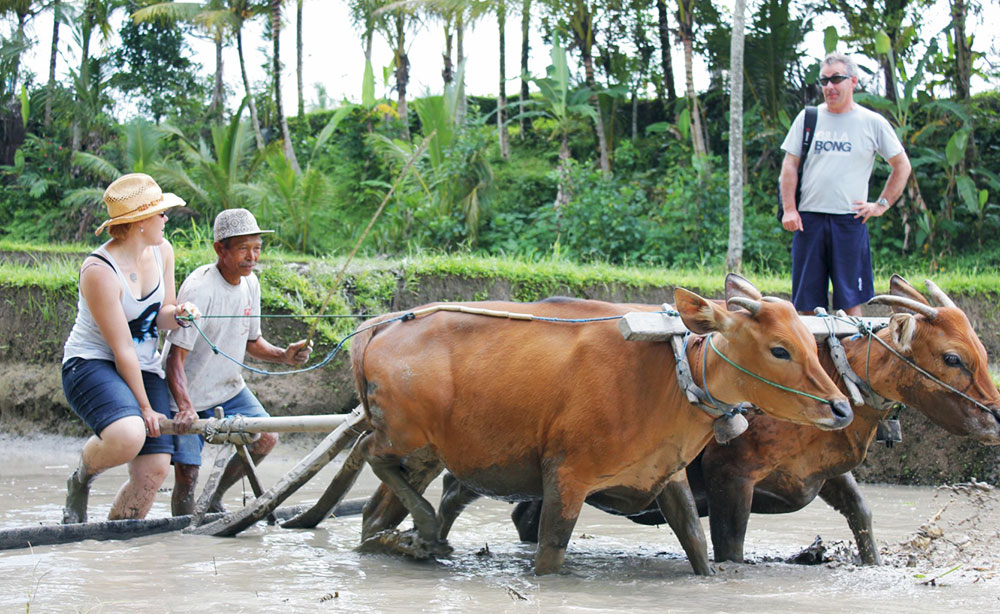
Traditional farming in Bali is deeply intertwined with religion, community, and nature. The most iconic example is the Subak irrigation, a cooperative network that dates back to the 9th century.
Managed by local temple councils, it ensures fair water distribution and reflects the Balinese philosophy of Tri Hita Karana: harmony between people, nature, and spirit.
Rice remains central to this system, with farmers following ancestral planting calendars and rituals to maintain balance with the land. Fields are often worked by hand, using minimal machinery and natural fertilisers made from compost or animal waste.
While these traditional methods have sustained Bali’s landscapes for centuries, environmental pressures are rising. Climate change, water scarcity, and reduced interest from younger generations are testing the resilience of Bali’s farming traditions.
Still, many farmers continue to honour these practices, blending old knowledge with modern techniques to protect the island’s fragile ecosystems.
Modern Shifts And Challenges
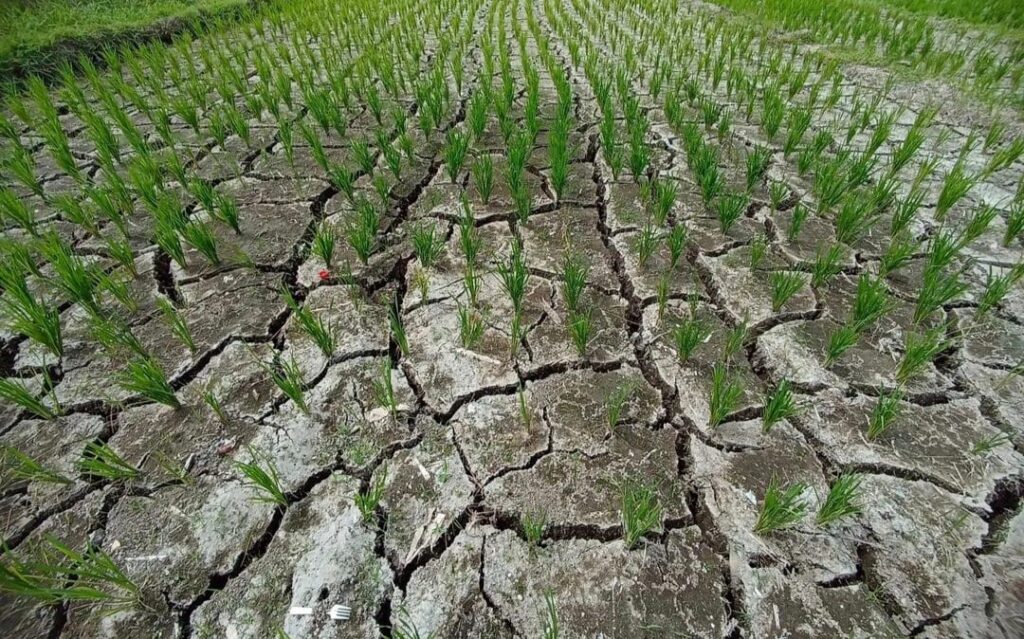
Bali’s agricultural industry is changing fast. With tourism expanding and land prices rising, many young Balinese choose jobs in the tourism sector over farming.
This shift has led to smaller plots and fewer hands tending the fields. Urban development, especially in areas like Badung Regency, also puts pressure on agricultural land that once supported entire local communities.
Climate change adds another challenge, bringing unpredictable rainfall and threatening soil health. Some regions now face longer dry seasons which make water distribution harder to manage.
Yet, across the island, both local farmers and the Indonesian government are encouraging sustainable farming practices to protect food security and keep agriculture viable. The goal is to balance progress with preservation, ensuring that farming remains part of Bali’s regenerative future.


Agro Tourism
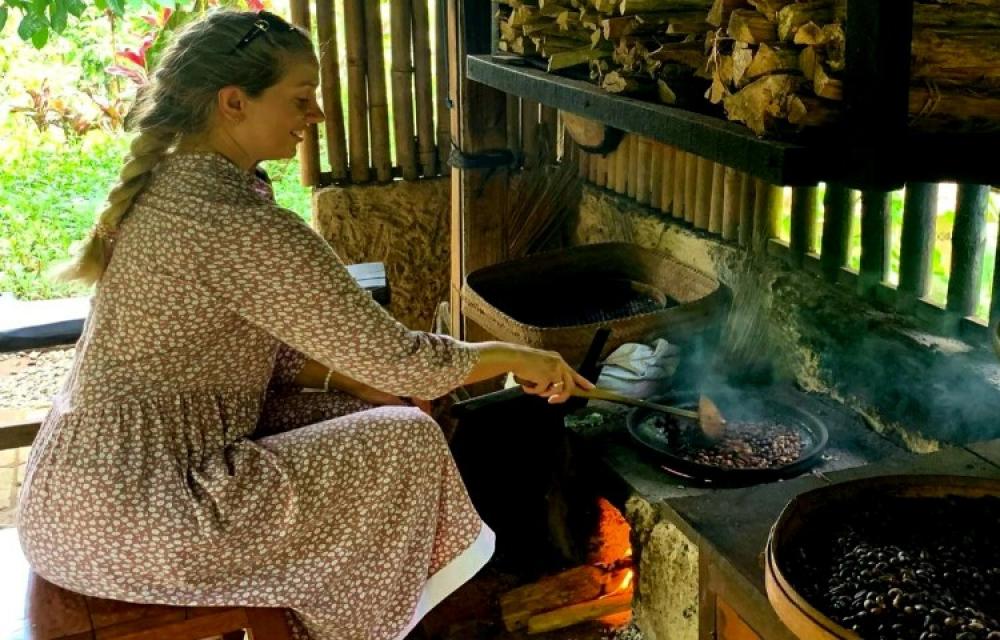
Agro tourism has become an exciting way to keep Bali’s farming traditions alive. Travellers can visit rice paddies, coffee plantations, and fruit farms, gaining insight into local farming methods and daily life.
It’s more than sightseeing; it’s a hands-on experience that fosters cultural exchange and helps support local farmers directly.
Places like Tabanan and the upland regions around Ubud now welcome visitors for planting sessions, cooking workshops, and harvest tours.
This blend of tourism and agriculture not only brings extra income to rural communities but also raises awareness of the effort and care behind Bali’s fresh produce.
By sharing the land’s story, agro tourism helps sustain both the culture and the countryside.
Organic Farming
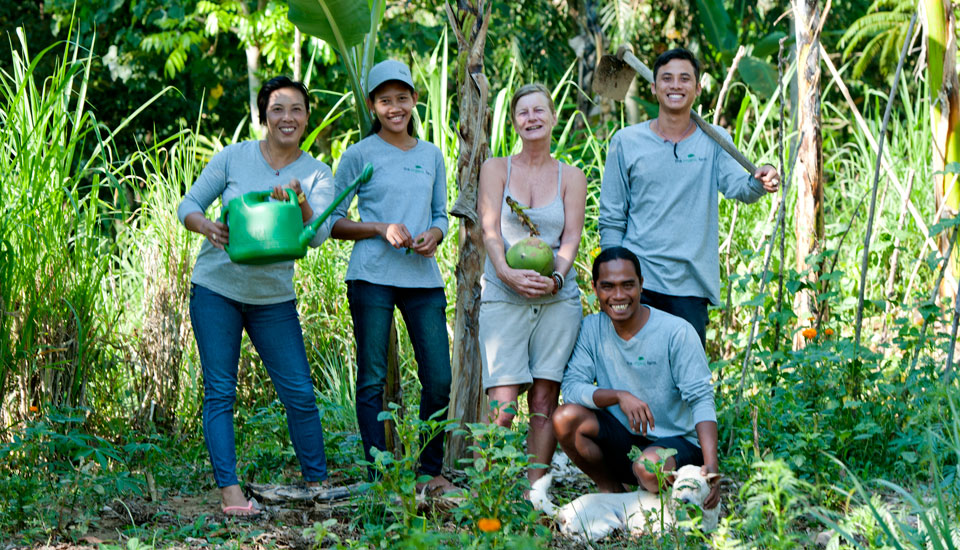
In recent years, organic farming has taken root across Bali. Local farmers are moving away from chemical fertilisers and pesticides, choosing methods that restore ecosystems and improve soil health.
These sustainable farming methods focus on harmony with nature, mirroring traditional Balinese values of balance and respect for the earth.
Many small farms now supply fresh, locally sourced produce to restaurants and hotels, fuelling a growing demand for clean, organic food. Beyond economics, this shift reflects a deeper purpose: maintaining the environment while providing healthy food for future generations.
Organic farming represents the evolution of agriculture on the island, blending ancient wisdom with modern awareness.
Agriculture’s Role In Bali’s Future
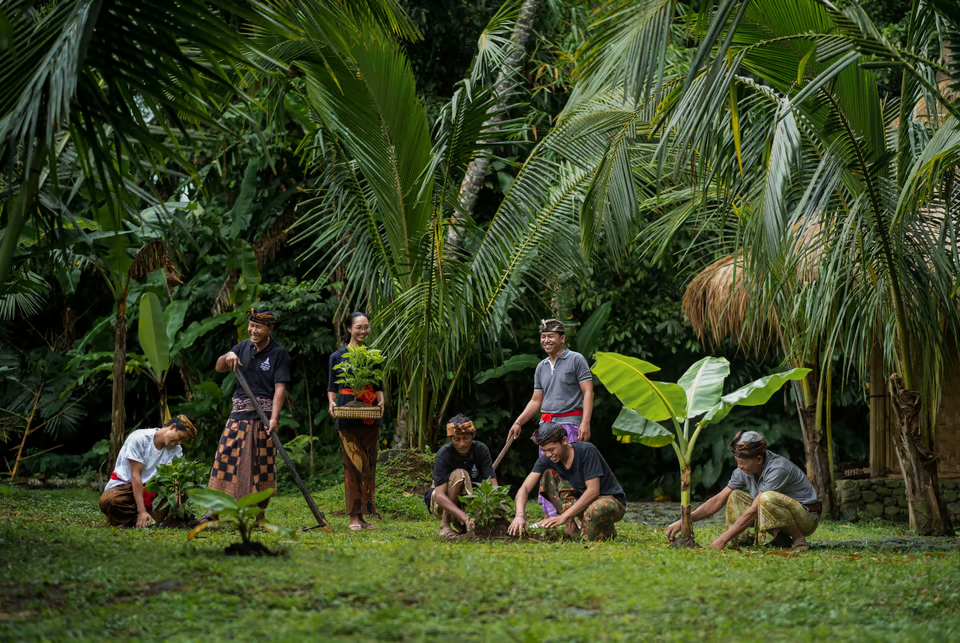
As Bali continues to evolve, the island’s agricultural roots still matter more than ever. Farming keeps food local, connects generations, and balances the rapid pace of tourism with something steady and grounding.
Many younger farmers are learning to combine traditional know-how with new ideas, from soil-friendly composting to organic certification and small-scale distribution networks that supply Bali’s restaurants and hotels.
These changes aren’t just about earning more; they’re about building a more sustainable way forward.
Support from local organisations and education programs is helping revitalise interest in farming among the next generation.
If this momentum continues, Bali’s agricultural future looks promising, one where old rhythms meet new opportunities without losing sight of what truly sustains the island.

Balinese Agriculture And The Tourism Industry
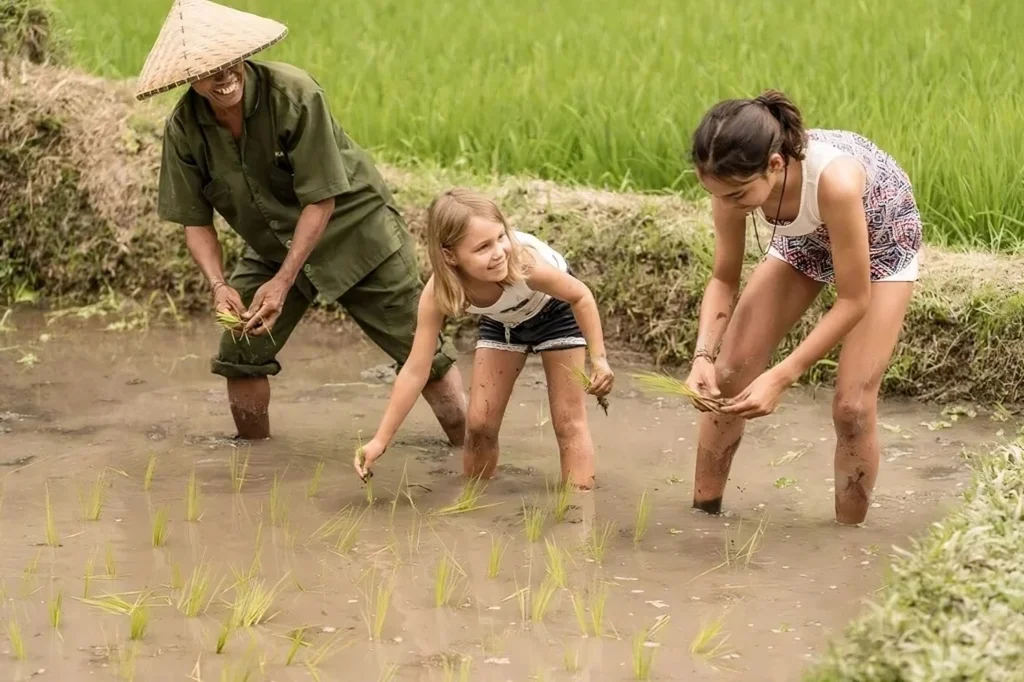
Tourism and agriculture on the island are more closely linked than most visitors realise.
The island’s growing demand for fresh, local produce has created new opportunities for farmers, from supplying resort kitchens to hosting hands-on agro tourism experiences.
Many restaurants now highlight where their ingredients come from, showcasing farm-to-table dining and strengthening the connection between visitors and local producers.
This relationship also helps sustain traditional farming methods. As travellers seek authentic experiences, rice planting tours, coffee tastings, and cacao workshops are becoming popular ways to learn about Bali’s agricultural heritage.
These ventures bring income directly to rural areas, helping balance the pull of tourism with the need to preserve farming culture.
By integrating agriculture into the tourism industry, Bali continues to evolve in a way that honours both its roots and its modern identity, creating a model where travel and tradition can thrive together.
Where To Get Hands-On With Bali’s Agriculture
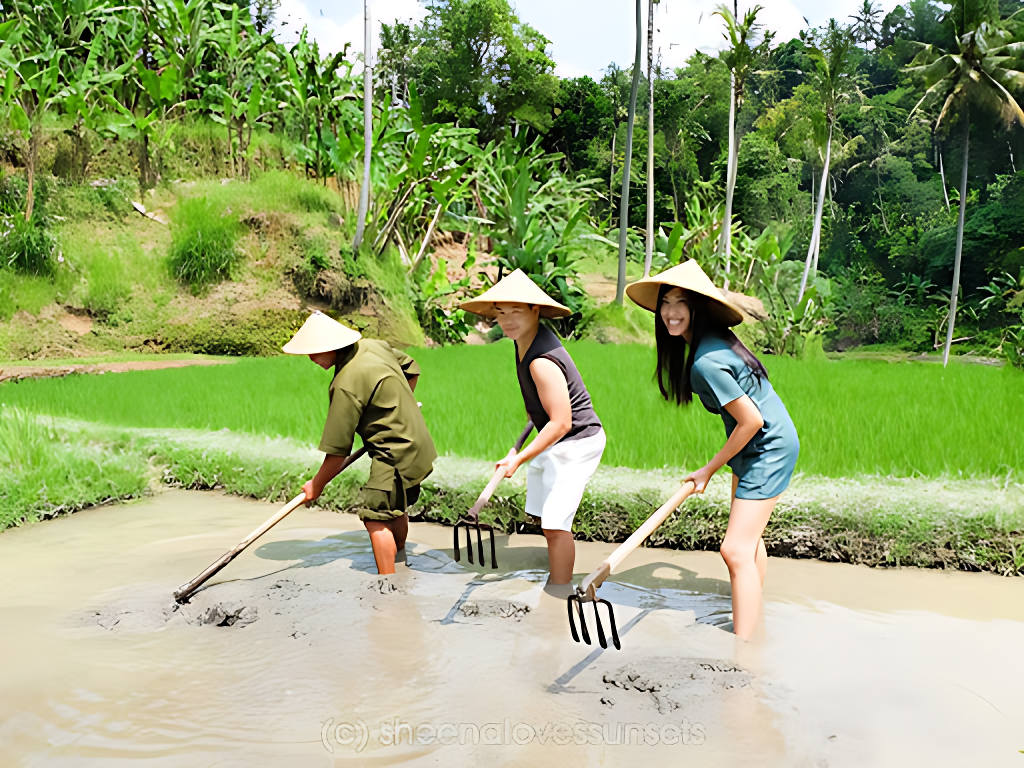
If you want to experience Bali’s farming culture firsthand, there are plenty of places where you can roll up your sleeves and join in. Around Ubud and Tabanan, small family farms welcome visitors to help plant or harvest rice, learn about composting, or try their hand at traditional ploughing with buffalo.
Several eco-lodges and agro tourism projects also invite guests to explore tropical fruit gardens, pick fresh vegetables, or see how organic coffee is grown and roasted.
These experiences offer more than just photo opportunities; they foster cultural exchange and give travellers a real appreciation for the effort that goes into every grain of rice or cup of coffee.
Getting involved, even for a few hours, is a reminder that Bali’s beauty isn’t only in its beaches and temples, but also in the connection between people and the land.
FAQs
What Crops Are Grown In Bali?
Bali’s main crops are rice, tropical fruits, vegetables, and coffee. You’ll also find cocoa, corn, peanuts, and spices such as cloves and vanilla in certain regions.
The famous rice terraces around Ubud and Jatiluwih are not just scenic attractions; they remain working rice fields managed by local Balinese farmers who continue traditional planting and harvesting cycles.
Is Bali Good For Farming?
Yes. The island’s fertile volcanic soil, warm tropical climate, and well-developed irrigation systems make it ideal for farming.
Areas like Tabanan and Badung Regency are particularly productive, supporting both traditional rice cultivation and newer sustainable farming ventures.
Despite urbanisation and the expansion of the tourism sector, agriculture remains central to the island’s balance and food security.
What Is Bali Famous For Producing?

Bali is best known for its rice – often considered the island’s spiritual crop – but it also produces excellent coffee, fresh fruits, and organic vegetables that supply local markets, restaurants, and hotels.
Increasingly, locally sourced produce and eco-conscious farming are becoming part of Bali’s appeal, tying its agricultural roots to modern tourism and sustainable dining experiences.
Do Balinese Farmers Earn Good Money?
Generally, Balinese farmers earn modest incomes compared to those working in tourism or hospitality. Rice farming, in particular, offers limited financial return despite its cultural importance and labour intensity.
However, some farmers are improving their earnings through organic certification, direct farm-to-table partnerships, and agro tourism initiatives that welcome visitors onto their land.
These newer approaches are helping to make more sustainable farming methods, both economically and environmentally, for the next generation.
How Does the Subak System Work in Bali?
The Subak system is Bali’s traditional irrigation network, dating back over a thousand years. It’s a cooperative method where farmers share water fairly through channels and temples that connect entire villages.
Managed by local councils, it reflects the Balinese philosophy of Tri Hita Karana: harmony between people, nature, and spirit.
More than just irrigation, Subak represents a social and spiritual structure that keeps rice farming sustainable and deeply tied to Balinese belief and community life.
What Is Agro Tourism in Bali?
Agro tourism lets visitors experience Bali’s farming culture up close, from rice planting and coffee roasting to cooking workshops using local produce. It’s designed to support rural economies while preserving traditional farming methods.
By visiting family-run farms or eco-lodges around Ubud, Tabanan, and Kintamani, travellers can connect with local farmers, learn about organic agriculture, and see how sustainability and tourism can thrive side by side.



Final Thoughts On Agriculture In Bali
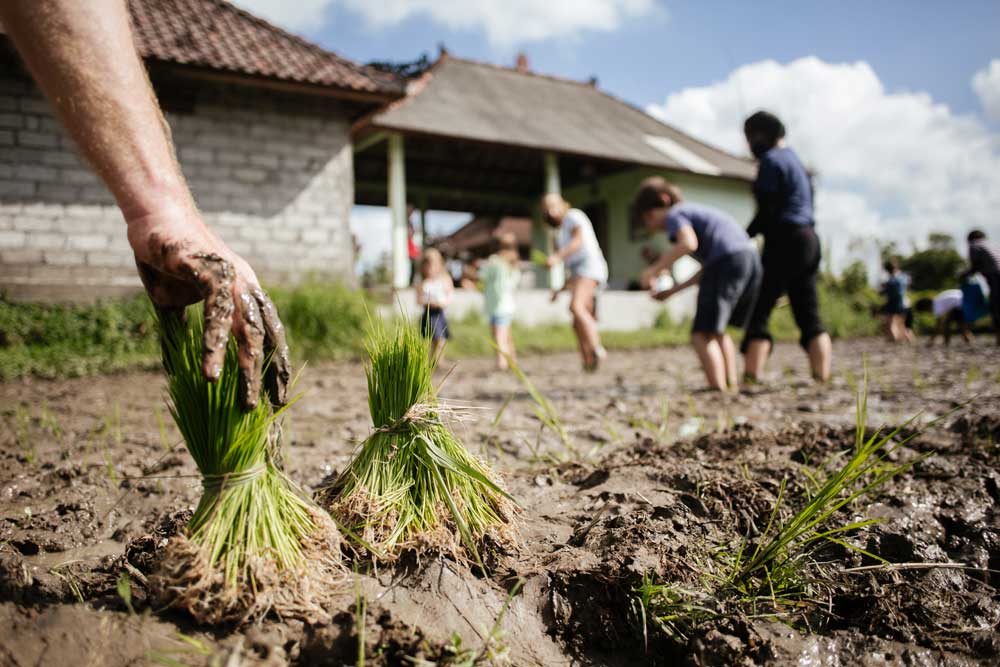
Agriculture in Bali reflects the island’s deep respect for nature and tradition. Despite rapid development and modern pressures, local farmers continue to uphold farming methods that harmonise with the land rather than exploit it.
From the terraced rice paddies of Jatiluwih to small regenerative farms supplying fresh produce to Bali’s restaurants, agriculture remains a living expression of balance between people, nature, and spirit.
As sustainable farming practices gain ground and agro tourism grows in popularity, Bali’s agricultural sector is proving that progress and preservation can go hand in hand.
The future of Bali’s farmlands depends on supporting local communities, protecting soil and water, and ensuring that the next generation keeps its connection to the earth strong.