Bali is a pretty big island, and that means you have plenty of areas where you could stay. But what’s right for your Bali trip? Well, only you can answer that, but we’ve got some breakdowns that can help you make up your mind for the perfect holiday destination.
The Main Tourist Regions Of The Province Of Bali

Before we get into detail, let’s do some broad brush strokes, so you can start to narrow down your search without searching through every possible area of Bali in search of your dream spot.
South Bali (For Beach Lovers And Party Goers)
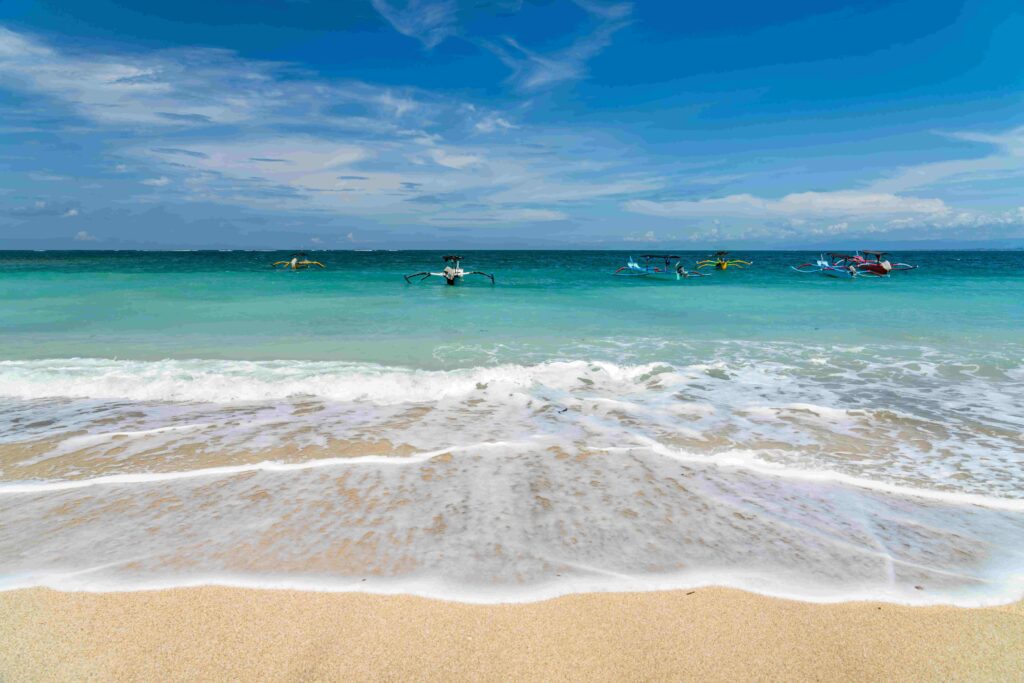
This is the most popular part of the island, it’s home to some stunning beaches, the world’s best beach club (FINNS), has awesome nightlife and some of the best shopping around. The main areas are Denpasar, Kuta, Legian, Seminyak, Canggu, Jimbaran, Sanur, Nusa Dua and Uluwatu (the Bukit Peninsula).
Central Bali (For Culture Vultures And Mountains)

Often described as the cultural heartland of the country, if you love yoga studios, rice terraces, natural beauty, etc., this is the place for you, and there’s plenty of varied accomodation from luxury resorts to budget guesthouses. Ubud is the main area in this region.
East Bali (Natural Beauty And Old School Bali Vibes)
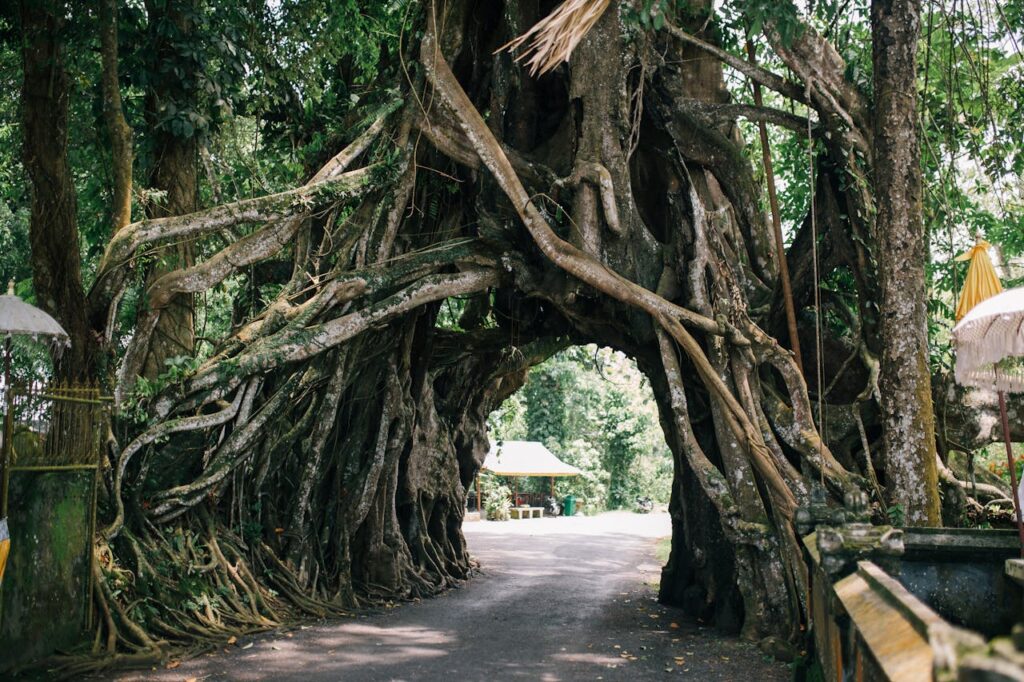
The East Coast and the area around it offer hidden beaches, volcanic landscapes and traditional villages. It’s extremely popular for temple hunting, hiking, diving and snorkelling. The highlights include Amed, Sidemen, and Kintamani.
North Bali (Diving And Nature Lovers)
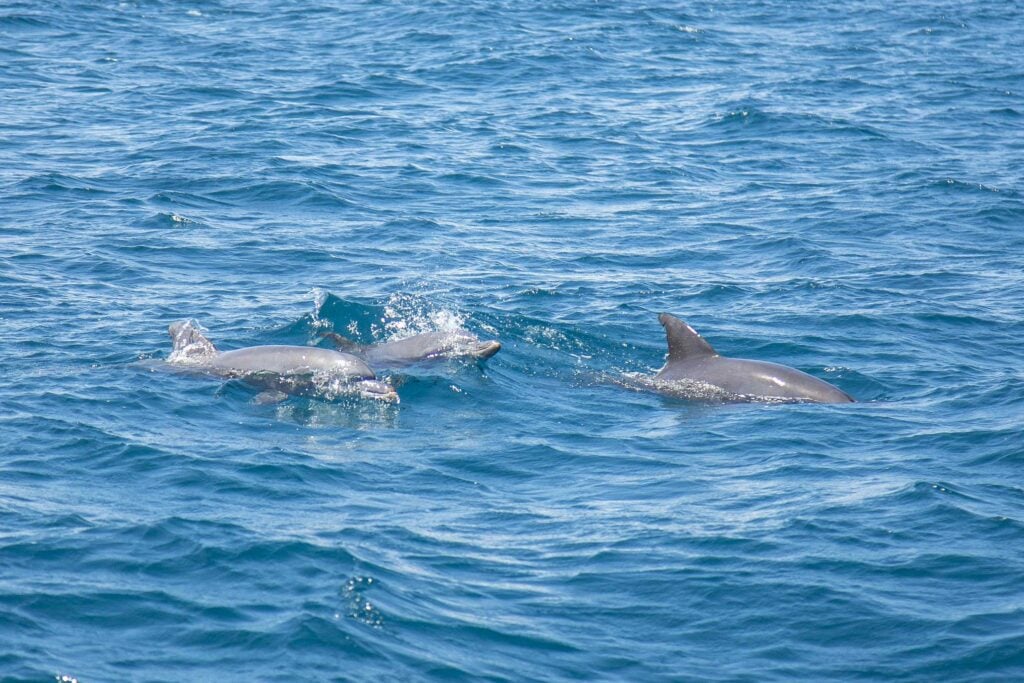
This is one of the quietest parts of the island and has pristine beaches, waterfalls, dolphins and more. The main area is Lovina, and it is also home to Bali’s second biggest city – Singaraja.
West Bali (Remote Natural Wonders)
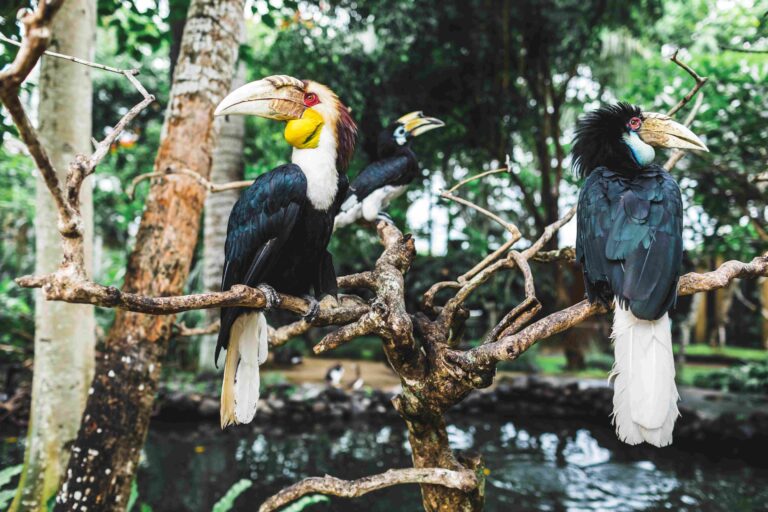
People come to West Bali for West Bali National Park, the only national park on the island. It is, without a doubt, the best place for animal and bird spotters and for hiking through the most varied landscapes. It’s also popular with divers thanks to Menjangan Island, which is just off the coast and easily reachable from Pemuteran and Medewi.
Nusa Islands (Snorkelling & Adventure)
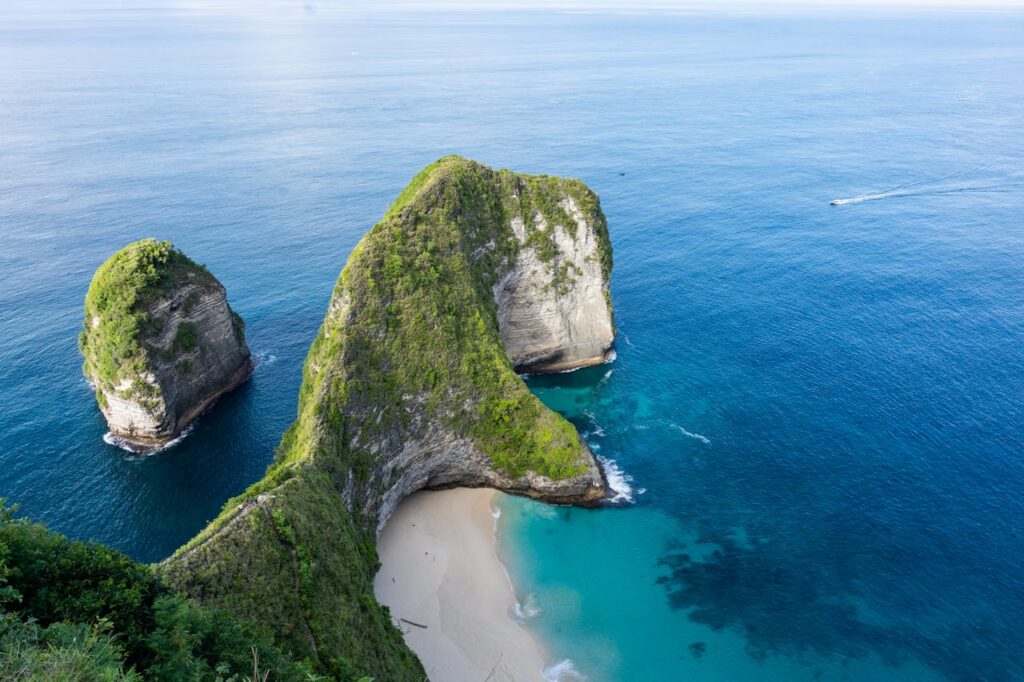
The Nusa Islands should not be confused with Nusa Dua, but these three islands of Nusa Penida, Nusa Lembongan, and Nusa Ceningan, which are a short but sometimes bumpy boat ride away from the mainland, are famous for their dramatic coastal views, top-notch diving spots and the chance to enjoy some adventure.
An Introduction To The Main Areas Of Bali
Denpasar
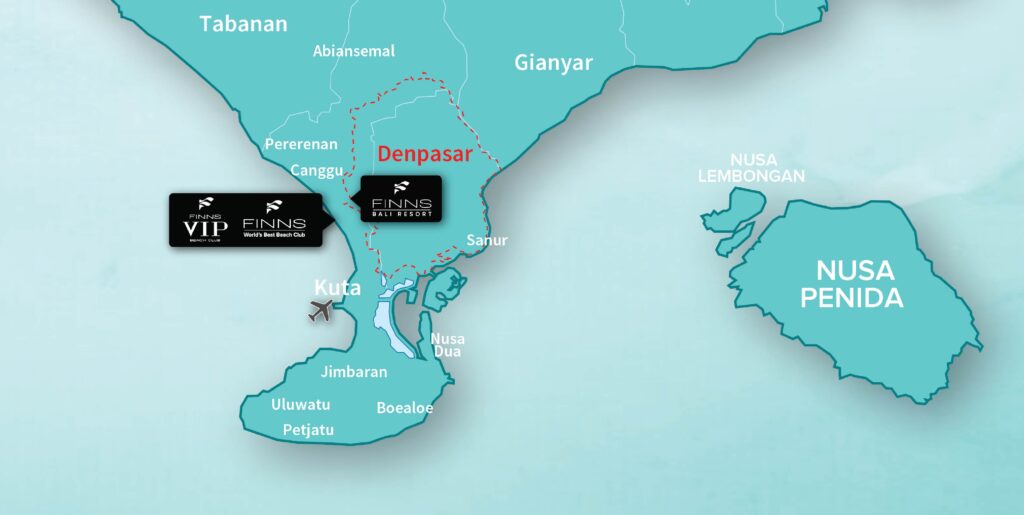
Denpasar is Bali’s capital city and home to Ngurah Rai International Airport, where nearly every international visitor arrives on mainland Bali.
The thing is, apart from a few international and local brand stores, there’s not much in Denpasar for the tourist crowds, and most people pass through without stopping to take a look around.


If you spend a lot of time in Bali, it’s worth checking out Denpasar, though. The local eateries are great, and there are some nice local markets and museums, etc., that most people will never see.
You’ll also find that the locals are super friendly and, perhaps, a little more welcoming than in the most popular tourist attractions, you’re a trendsetter if you spend some time in Denpasar, you’re most definitely not following the crowd.
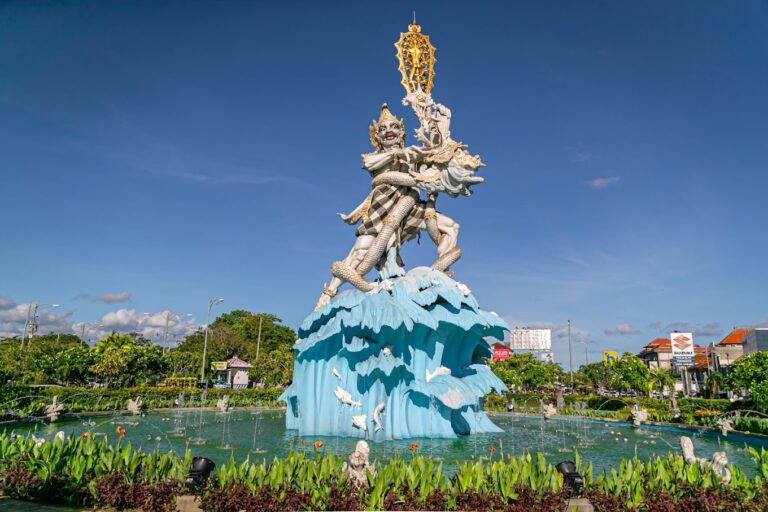
Highlights include Living World Mall, Big Garden Corner, Singhu Night Market, and the Bajra Sandhi Monument.
Kuta
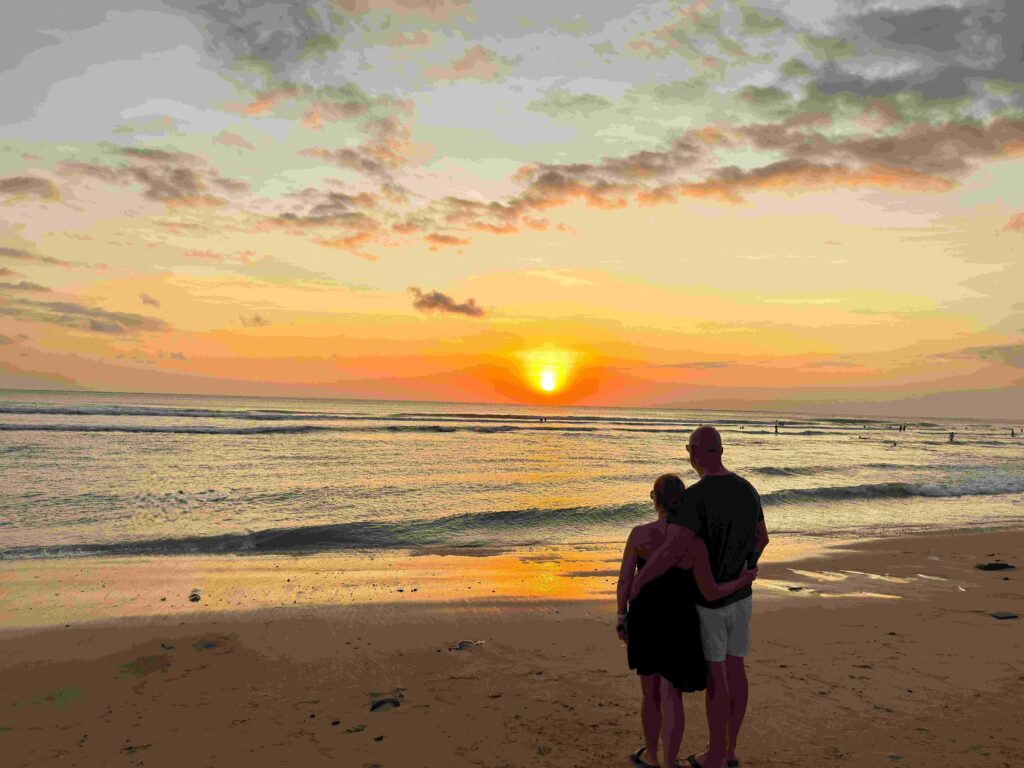
There was a time, not so long ago, that Kuta and Bali were almost synonymous, and nearly everyone who came to stay in Bali would opt for this beach town on the Southwest Coast.
Sadly, time has not been kind to Kuta, and while the area retains a number of attractive beach resorts, the beach itself has been badly eroded, and at high tide, it’s practically non-existent.
There are still attractions to this part of Bali; however, it has a lot of chain restaurants and shopping malls, as well as cheap nightlife (though there is much less nightlife than there once was).
If you don’t mind the lack of a beach, then the good news is that high-end accommodation is much cheaper in Kuta than in the other beach towns.
Highlights include Waterbom Bali (Southeast Asia’s biggest waterpark), Discovery Shopping Mall, Kuta Art Market, and Ground Zero Memorial.
Legian
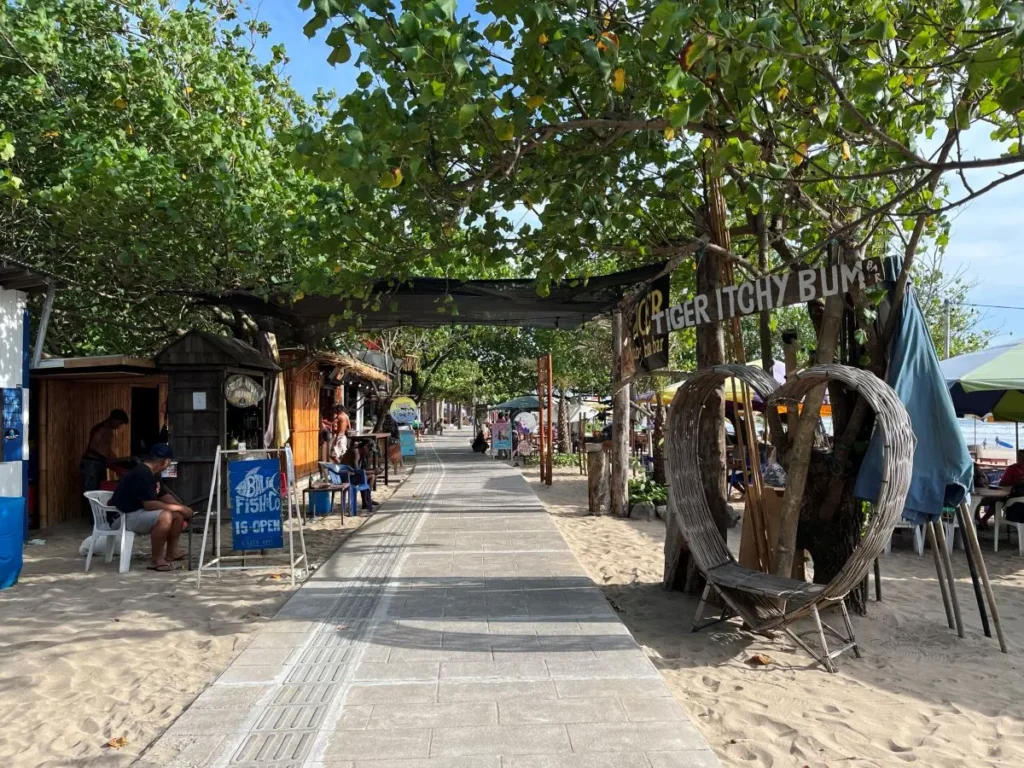
Legian is often lumped in with its neighbour Kuta in descriptions of the island, but where Kuta has always been famous for its nightlife, Legian is a slightly quieter affair.
The famous Poppies Lane is one of Bali’s best shopping and night market areas, and it brings in a lot of visitors.
And unlike in Kuta, the beachfront at Legian is still in perfect condition with easy access to the public, though watch out for stray dogs on the sand occasionally.
This area tends to attract value tourists in their mid-life as opposed to those seeking cheap parties like Kuta.
Highlights of Legian include Garlic Lane, a popular shopping street, the Legian Art Market, 5GX Bali, a slingshot ride for adrenaline seekers, and very affordable spas and massage parlours.
Seminyak
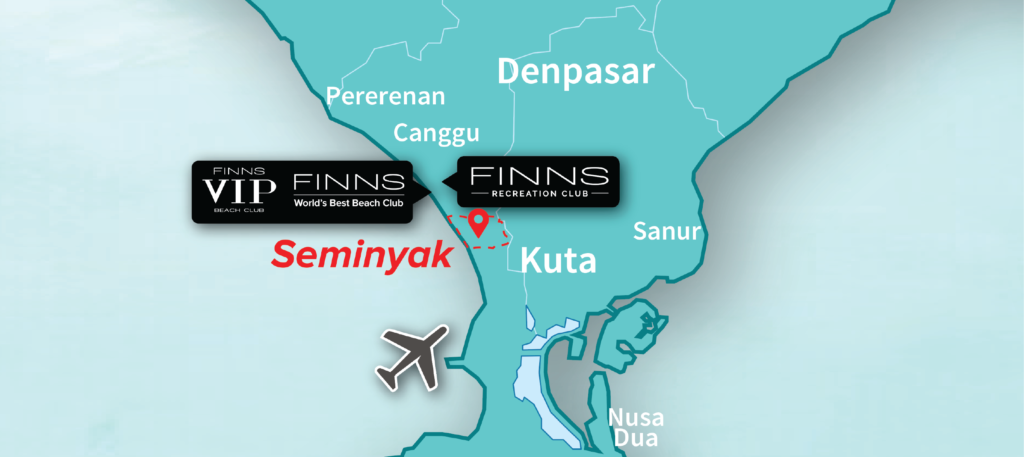
Seminyak and the Seminyak Beach area are the second most popular destination on the island after Canggu, and this vibrant upmarket town is a firm favourite among those who love to see and be seen.
If you want luxury villas and resorts, fine dining and high-end shopping experiences, then you’re going to feel right at home here.
The beach itself is pleasant and often packed with sunbathers from the resorts, particularly during the high season.
This is also a good spot for exploring the rest of Bali from, and it’s easy to take a day trip to Canggu, Ubud, etc.




Seminyak highlights include: Pura Petitenget (a 15th-century Hindu temple), Eat Street (full of excellent restaurants), Seminyak Village and Seminyak Square (boutique shopping malls), Jiwa Yoga (for beach yoga) and Buddha Gallery.
Canggu
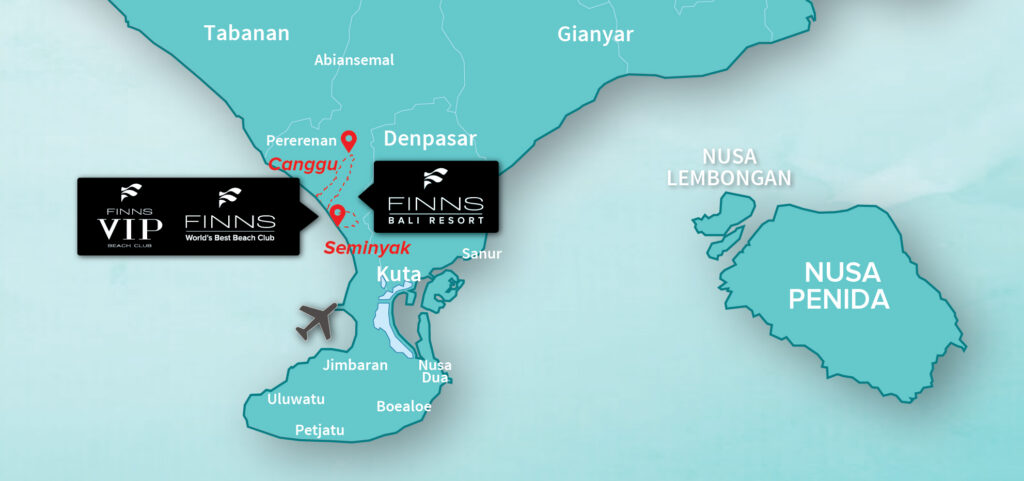
Canggu is, of course, home to the world’s best beach club, FINNS Beach Club. And right now, it’s the most happening part of the island.
If you’re thinking of where to stay in Bali, Canggu has to be high on your list. It’s got a wonderful balance of beaches, rice fields, and modernity.
There are high-end resorts, backpacker hostels, cafes, bars, pubs, and clubs galore, and there’s something for every budget, unlike in Seminyak, where things tend to be quite expensive.
Canggu provides excellent access to the Southern coastal road, which offers access to some of the less explored parts of the island.
Canggu’s highlights include FINNS Beach Club, Tanah Lot (one of the most stunning temples on the island), Batu Bolong Beach (a super starting point for beginner surfers), and awesome wellness spots like Svaha Spa, where you can be pampered in luxurious surroundings.
Jimbaran
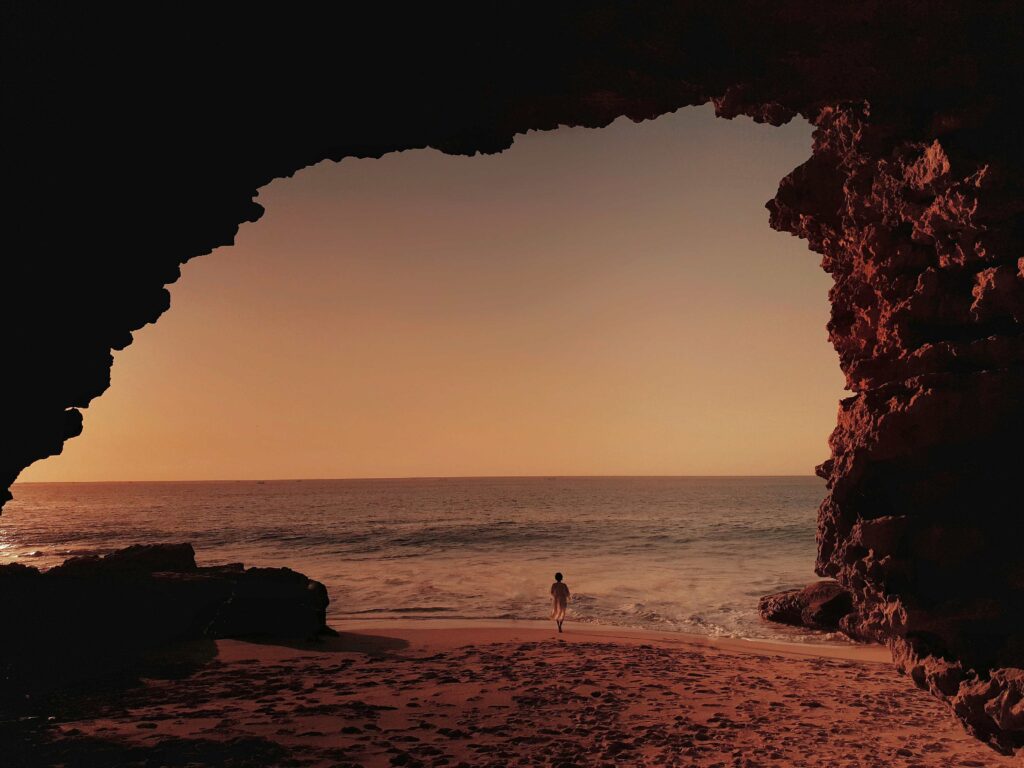
Jimbaran is home to a number of luxury resorts aimed at families, and one of the area’s biggest selling points is that it’s very close to the airport, so there’s very little travel time after you land or when you need to leave.
It has less to offer than most of the other beach towns, however, with almost no shopping and things to do outside of the resort complexes.
The area is very much famous for its seafood, though, as this is where the main catch in Bali is landed every day, and you can go and pick your fish fresh from the net and have it cooked while you wait.
In the evenings, there’s a seafood BBQ at nearly every beach restaurant, and you can enjoy some authentic Balinese recipes.
The highlights of Jimbaran include the Jimbaran Fish Market (the biggest market of its kind on the island), Pura Ulun Siwi (an 18th-century temple), Jimbaran Hills Activity Valley (a water park and sports complex), and The Jet Bike Skate Park (for skating).
Sanur

Sanur was once mockingly referred to as “sleepy”, but the Sanur Beach area has grown into one of Bali’s most popular resort towns in recent years.
It is on the East Coast, which means that you can’t enjoy the famous Bali sunset (though sunrise here is spectacular).
The town is famous for its reef-protected beach of white sand. This leads to the safest water for swimming on the island, and even small children can learn to swim in the ocean here.
Sanur Beach also has a fabulous boardwalk from one end to the other, where you can enjoy early morning or evening strolls and soak up the atmosphere of the town.


It’s still a little lacking when it comes to nightlife, but the young families that frequent Sanur don’t seem to mind too much.
Highlights of Sanur include Sindhu Market, Le Mayeur Museum, Nogo – the Bali Ikat Centre, Catur Eka Budhi (a Balinese dance performance), Bali Fire Shooting Club and the spooky Taman Festival Bali Ghost Town.
Nusa Dua
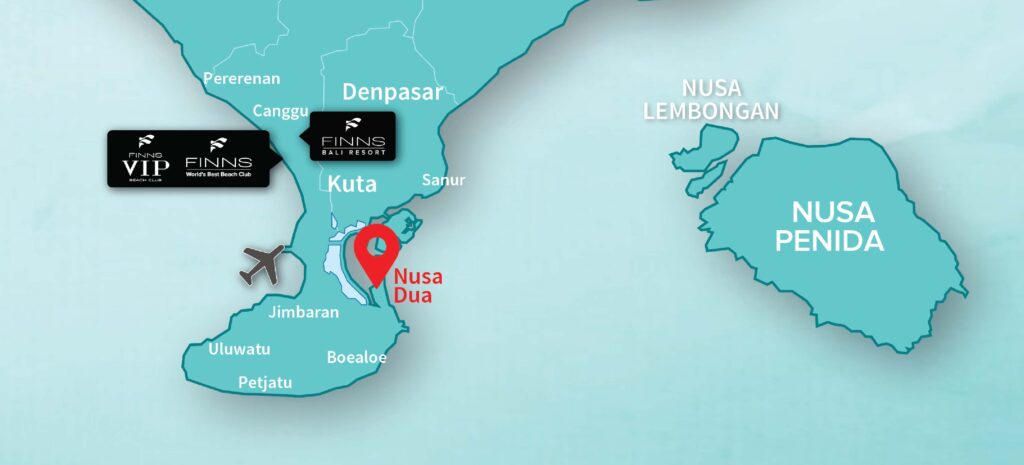
Nusa Dua is where all the big international brand-name hotels hang out, and the white sand beaches in this area are often considered to be Bali’s best beaches.
That means it’s quite an expensive destination and doesn’t tend to attract backpackers or digital nomads.
The area is very spread out, and most people who stay in this part of Bali tend to keep to their resort for most of their stay.
It’s also not the easiest part of Bali to explore the rest of the island from due to its peculiar location on the Bukit Peninsula.
Some of the best watersports (apart from surfing) can be had in nearby Tanjung Benoa, though, and the sunrise in this area of Bali is amazing.
Highlights of the Nusa Dua area include the Bukit Pandawa Golf & Country Club, Pasifika Museum, Pura Geger Temple, the Nusa Dua Water Blow, the Bali National Golf Club and some of the finest fishing opportunities on the island.
Uluwatu
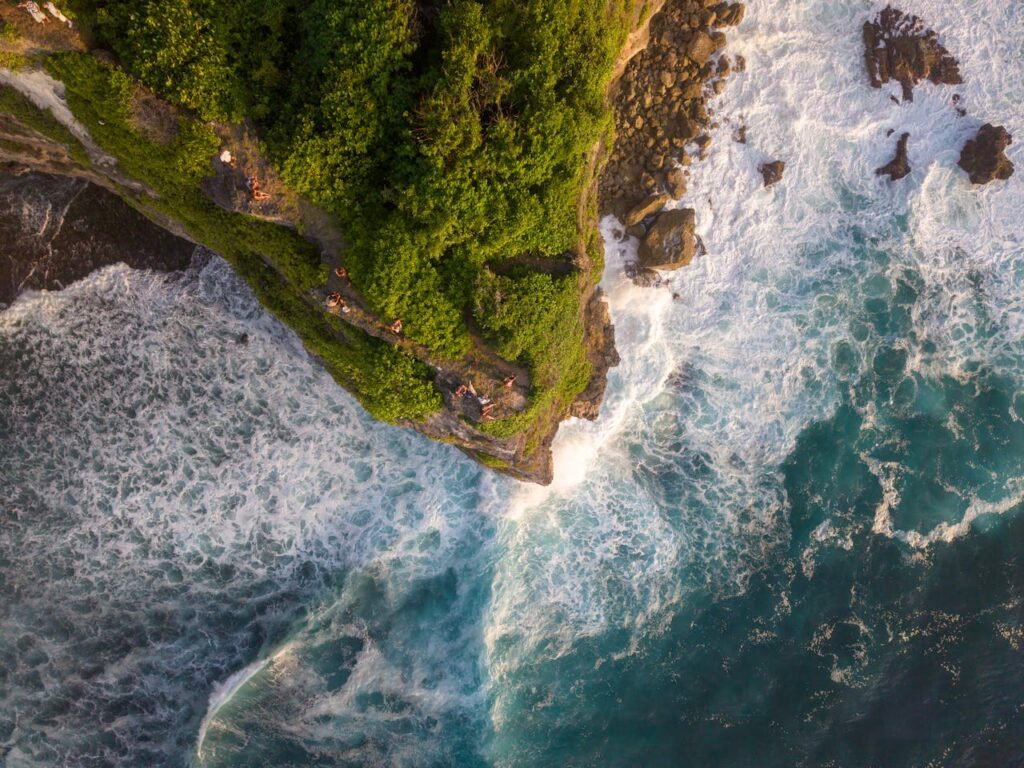
Uluwatu and the Bukit Peninsula are home to some of the most beautiful beaches and best hidden beaches on the island.
However, the area is very spread out, and while it’s easy to find a nice resort to stay in and some interesting places to visit, you’re mostly going to need transportation, as walking around this area is impossible.
It’s best known for its surfing opportunities, and the main Uluwatu Beach is where the Ripcurl Championships are often held. If you want to surf and aren’t an advanced surfer, your best options are around Canggu rather than Uluwatu, but you won’t find anywhere better to watch the surfing from than the cliffs of Uluwatu.
You should be careful when booking private villas in this part of the island, though, as many of them aren’t properly licensed. And Balinese law places the responsibility for that equally on the tenants with the landlord, which means you won’t get compensated if you’re evicted from a villa like this.
However, if you stick to resorts, you’ll have a very happy time in this part of the island.
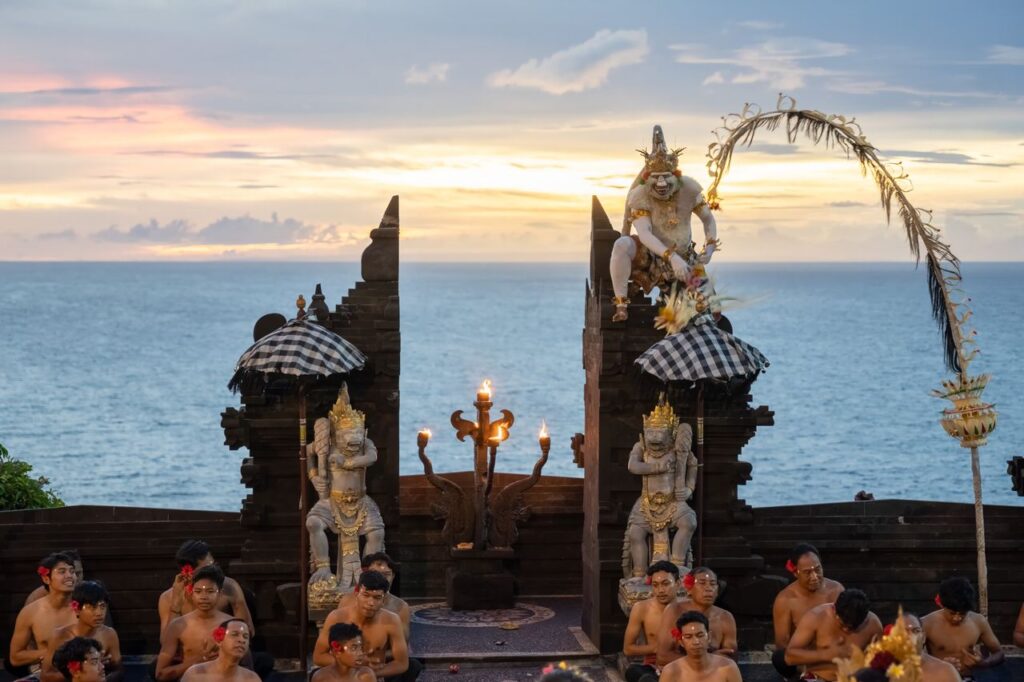
It’s most famous for GWK Cultural Park (which includes Indonesia’s tallest statue among other attractions), Uluwatu Temp[le (famous for its larcenous monkeys and the kecak fire dance), limestone cliffs and white sand beaches.
Ubud
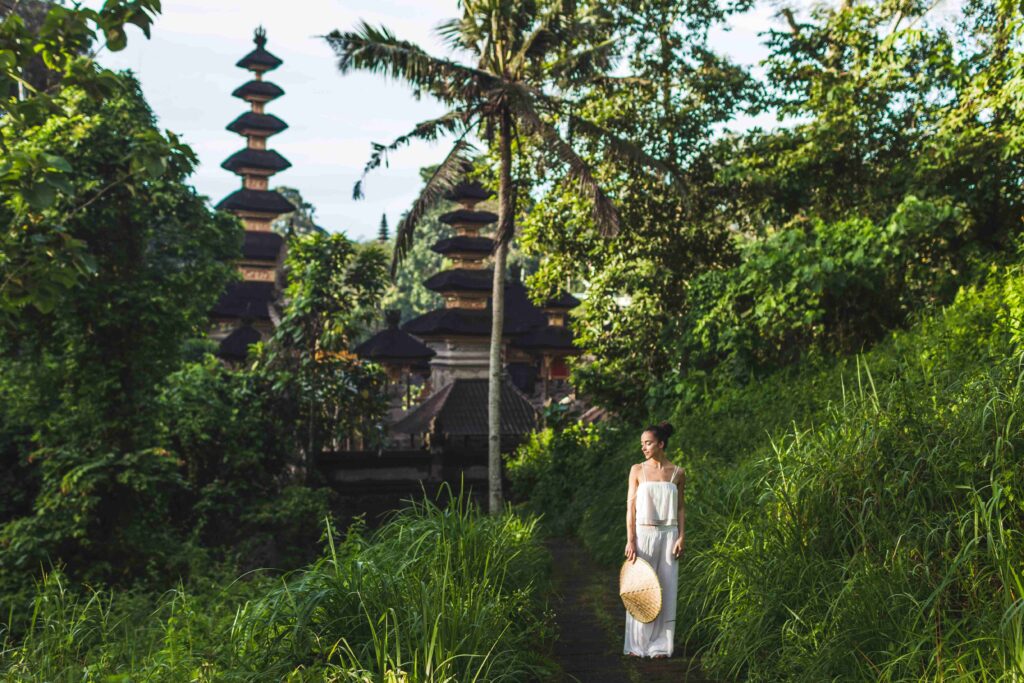
Ubud is in the mountains in the centre of the country, and it’s surrounded by verdant rice terraces and jungle. Many people who stay in Bali will make Ubud their second destination after the beach towns because it offers a very different side of life.


The area is full of markets, artists, temples, palaces, waterfalls, yoga shalas, and much more, and it was made famous by the book Eat, Pray, Love and the subsequent movie of the novel starring Julia Roberts. It’s often considered to be the cultural heartland of the island.
One nice thing about Ubud is that it’s a bit cooler than the rest of the country, as it’s at a raised elevation, so if you’re tired of sweating, it might be time to head inland.
This part of the island has become very popular in recent years, and that’s not always a good thing. You may find that the most popular sights are crowded and that traffic in and out of town can be very heavy, indeed.
Highlights of a trip to Ubud include the Tegallang Rice Terraces, the Valley of Kings, Ubud Water Palace, the Sacred Monkey Forest, Goa Gajah (the Elephant Cave), Tirta Empul Temple (and its water purification rituals where visitors are welcome to take part), Tegenungan Waterfall and the Agung Rai Museum.
It’s almost impossible to get bored in Ubud; there’s a lot to do in this part of Bali.
Amed
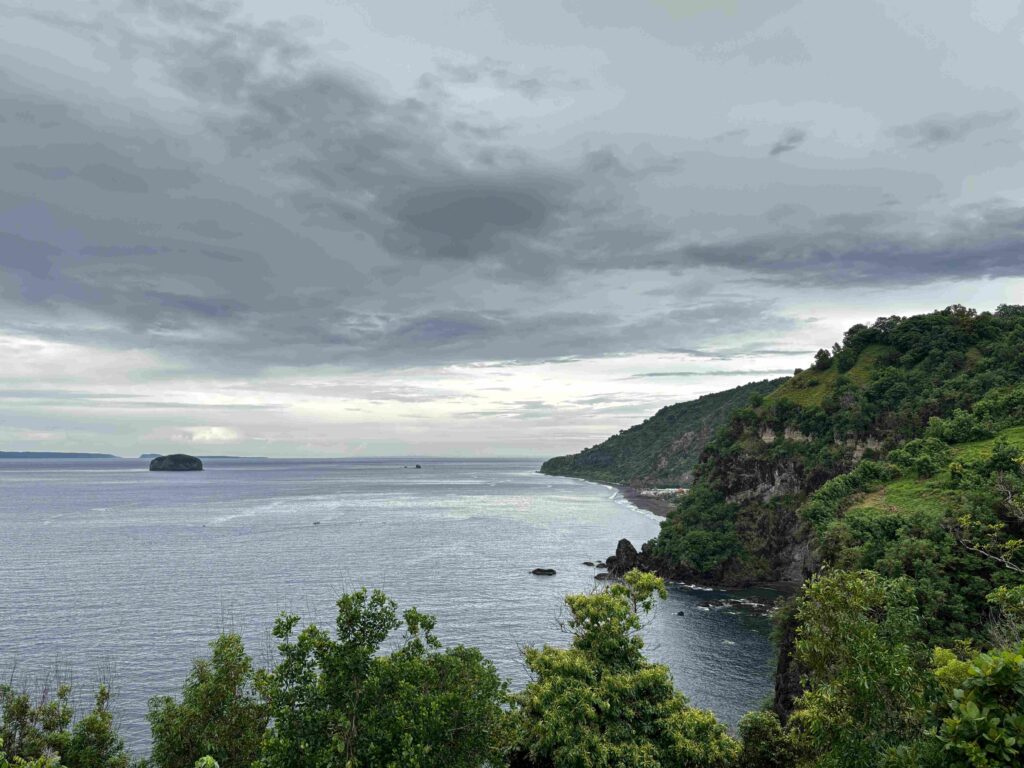
Amed sits in the shadow of the majestic Mount Agung, Bali’s largest active volcano, and the volcanic black sand beaches here are legendary.
We should point out that if you want to climb a volcano, Mount Agung is extremely challenging, and if you don’t have experience of this kind of climb, it’s better to visit Kintamani and tackle Mount Batur (another volcano) instead.
Amed consists of 7 fishing villages gently bordering on each other along the coastline, and the opportunities for diving and snorkelling in this area are limitless.
The area sees far fewer visitors than the Southern Beach towns, which means there are fewer choices of accomodation, but prices tend to be lower too.
Things to do in this area include hiking and photographing the volcano, Pura Lempuyang Temple “The Gates of Heaven”, diving the wreck of the USS Liberty, Tirta Gangga Palace, the Hidden Canyon and more.
Sidemen
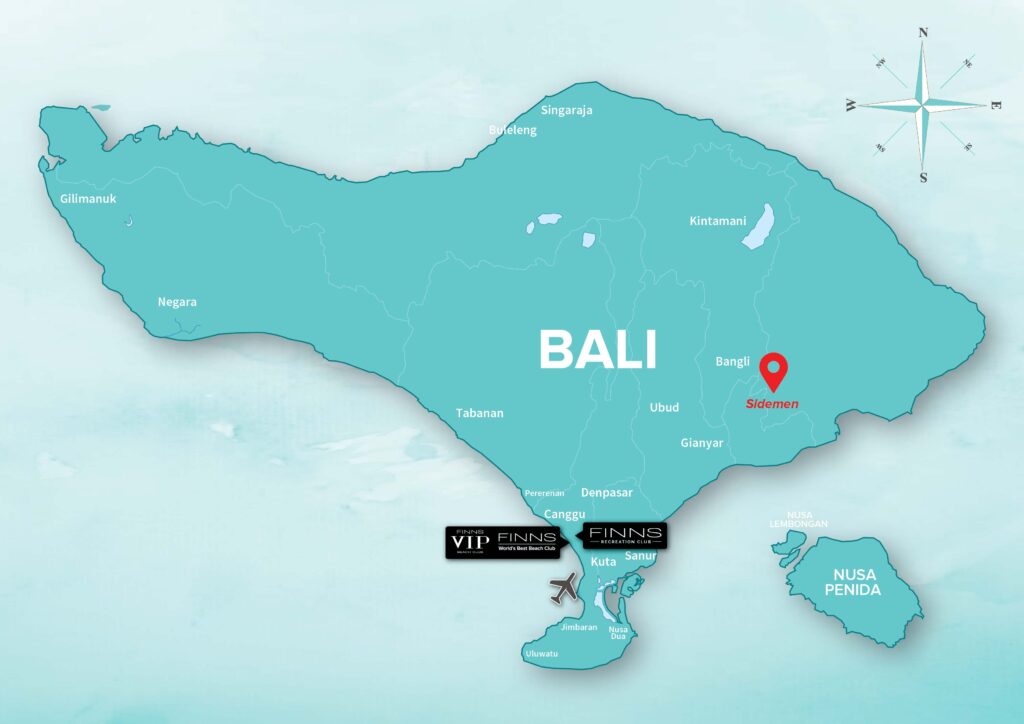
Sidemen is a lovely part of the island and one of the best places to visit if you find Ubud a bit too crowded and touristy for your tastes.
It’s a rural area with a tradition of rice fields and silversmithing, and if you want to connect with the “real Bali”, this is one of the best places to do it.
There is absolutely no nightlife in this area, though it’s a place people come to hike, learn about Balinese living and enjoy lazy days in nice hotels.
If you have an urge to see Sidemen, we’d encourage you to pursue it before everyone else discovers the place.


There’s plenty to do in this area, including the lovely Gembleng Waterfall, Lahangan Sweet Volcano Viewpoint (for great views of Mount Agung), Virgin Beach (unspoiled and free of crowds), Besakih Temple (the mother temple of all Bali) and more.
Kintamani
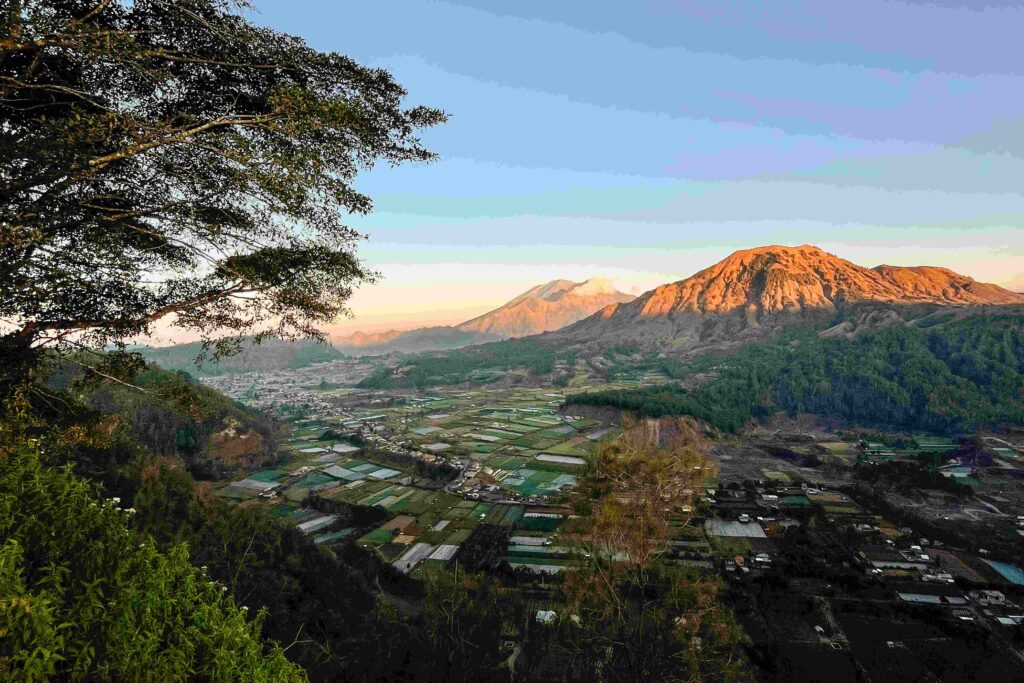
Kintamani is Bali’s highlands, and it’s substantially cooler in this part of the island than in the beach towns.
You should be warned that while this is an area of outstanding beauty, it’s not particularly developed, and in January and February, it often suffers from plagues of flies, so we’d recommend going at a different time of year.
If you do go, you’ll find that this area is one of the least visited in Bali and thus, one of the least expensive destinations on the island.
It tends to attract the more adventurous traveller and backpackers loooking to make sure their money goes further.
Some of the highlights of this part of the island include Mount Batur (Bali’s second-tallest volcano and a relatively easy climb), Lake Batur, the eerie Trunyan Cemetery, Ulun Danu Batur Temple (the floating temple), hot springs galore and Mount Abang (the third-highest mountain in Bali and an extinct volcano).
Lovina (and Singaraja)
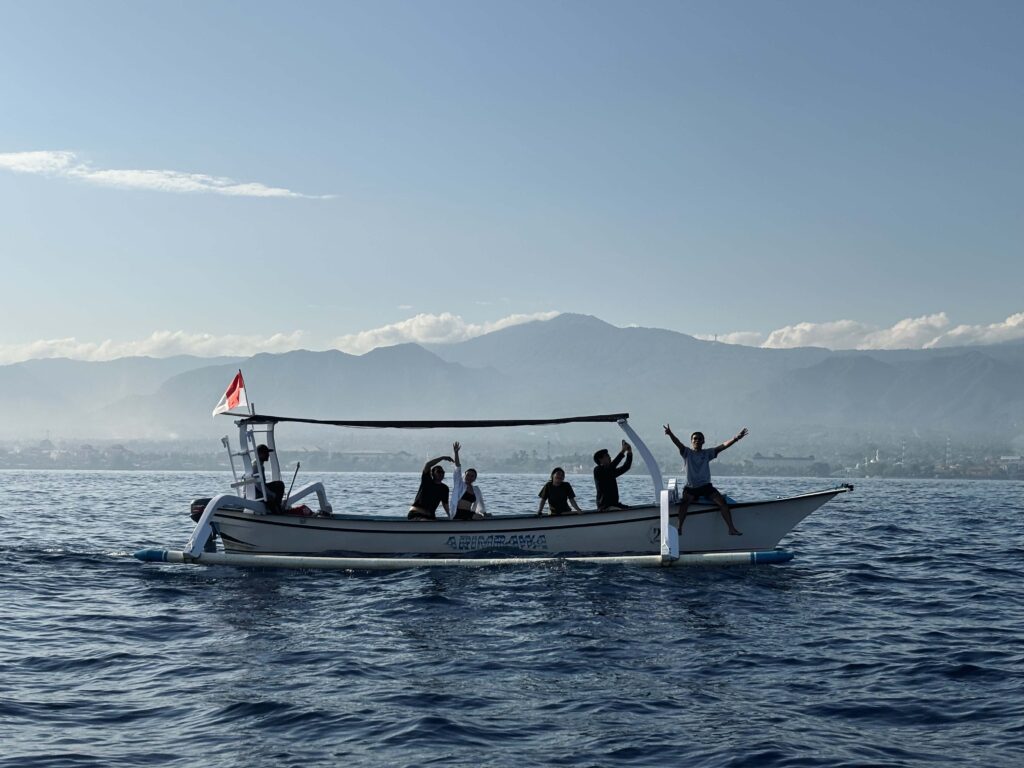
Lovina in North Bali doesn’t get that many visitors, and the visitors it does get are all looking for one thing above all else – dolphins.
Yes, this area is famous for its dolphins, and you can catch a boat out to see the dolphins every morning from the beach.
We should note that some people condemn this practice as cruel, but monitors say that the dolphins don’t seem to mind people going out to look at them.
You’ll find that staying in this area is cheap, particularly if you opt for the city of Singaraja, which doesn’t have a lot to see in it, but is home to a lot of university students.
What you can do in this part of the island includes the Lovina Beach Festival in July/August each year, long beach walks, rice field hiking, stargazing (this part of Bali has very little light pollution), and it’s amazing for snorkelling.
West Bali National Park

West Bali National Park, or Taman Nasional Bali Barat, is the only national park on the island, and it’s absolutely stunning. Sadly, it gets very few visitors because it’s about as far from Denpasar as it’s possible to get without leaving Bali entirely.
It’s important to note that you need a guide to enjoy the park, but they can be hired relatively inexpensively at the official park office.
There’s quite a bit to do in the park itself, hiking is amazing, Prabat Agung Beach (a protected beach), temple exploring, and visit the mangrove swamps in an outrigger or go diving at Menjangan Island.

You will also find there’s an outside chance of seeing the Bali Starling, Bali’s most endangered species.
On the borders of the park, you can visit the little town of Pemuteran or climb Mount Merbuk.
Nusa Penida
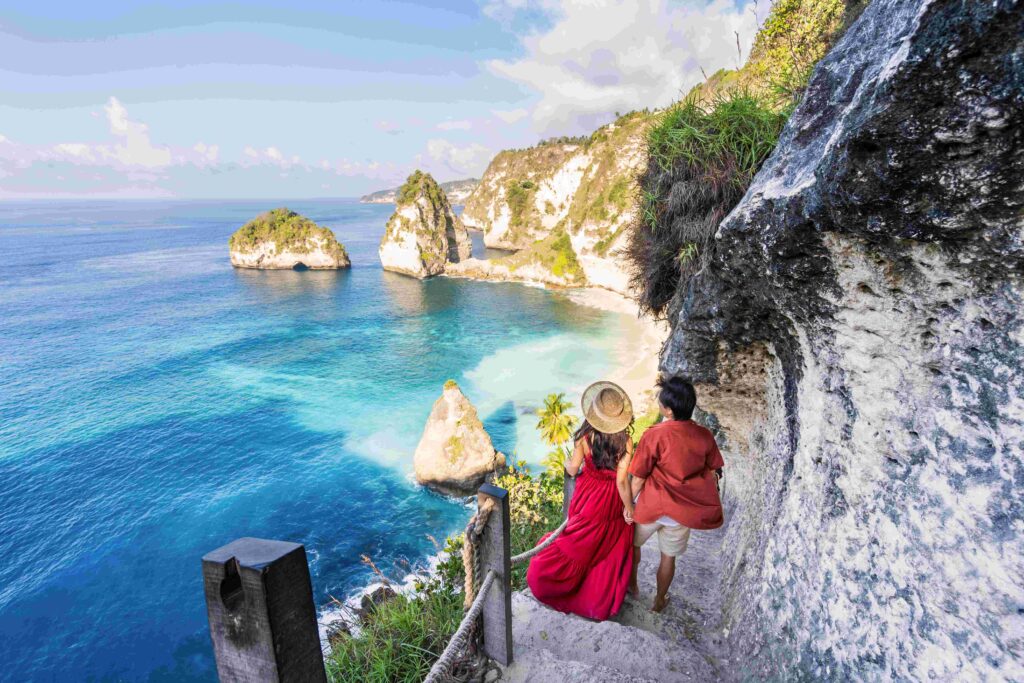
Nusa Penida is one of the three Nusa Islands, and its biggest attraction is the T-Rex Beach of Kelingking.
We’d recommend that if you want to visit these islands, you give yourself a few days and don’t come on a day trip.
These trips tend to rush your round a bunch of sites and then bundle you back on a boat before you have a chance to relax.
And it’s that relaxed vibe that makes the journey out here worthwhile. Book into a small resort, and then you can enjoy the island in style.
There’s a lot to do here, too, including swimming with manta rays, visiting the Peguyang waterfall, stopping at Angel’s Billabong for the tide pools, and the aforementioned T-Rex beach and the Puncak Mundi temple, among many other things.
Nusa Lembongan
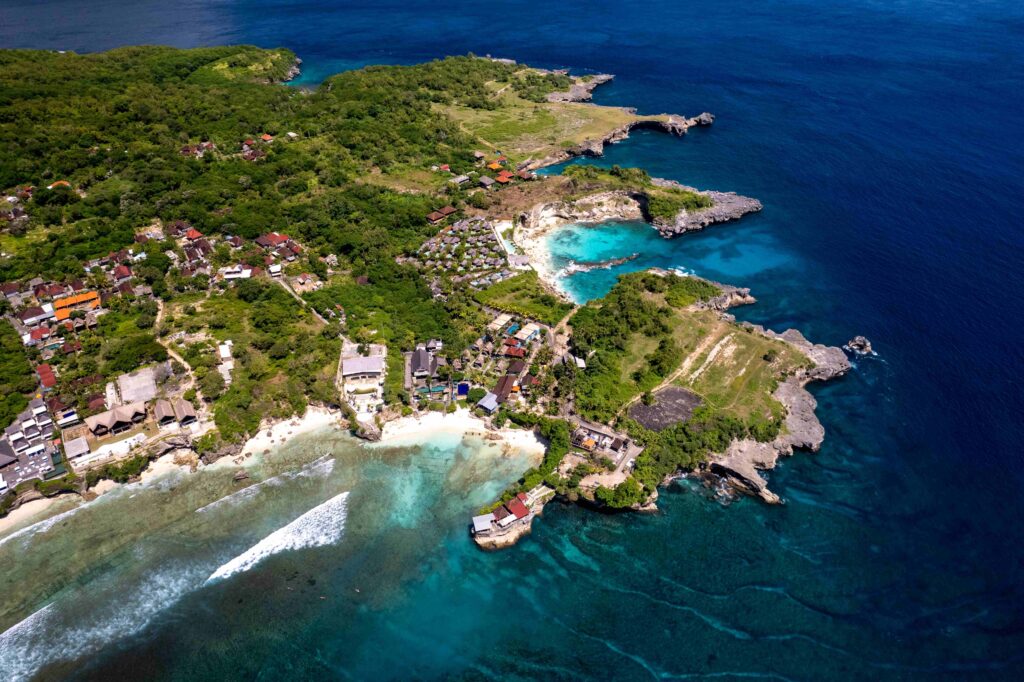
Nusa Lembongan is the largest of the Nusa Islands and is the top choice of holidaymakers in this area. Though we think Nusa Penida has a bit more to offer.
However, there’s no doubt that this is an attractive place ideal for long walks in the sun and sunset drinks on truly calm beaches.
Check out Hidden Beach, Mushroom Beach, and Jungut Batu Beach, and you’ll be blown away by how beautiful they are.
The Blue Lagoon is also gorgeous, the Devil’s Tears are fascinating, and there’s a fabulous mangrove forest to enjoy.
We also like to watch the seaweed farms just offshore from here.
Nusa Ceningan
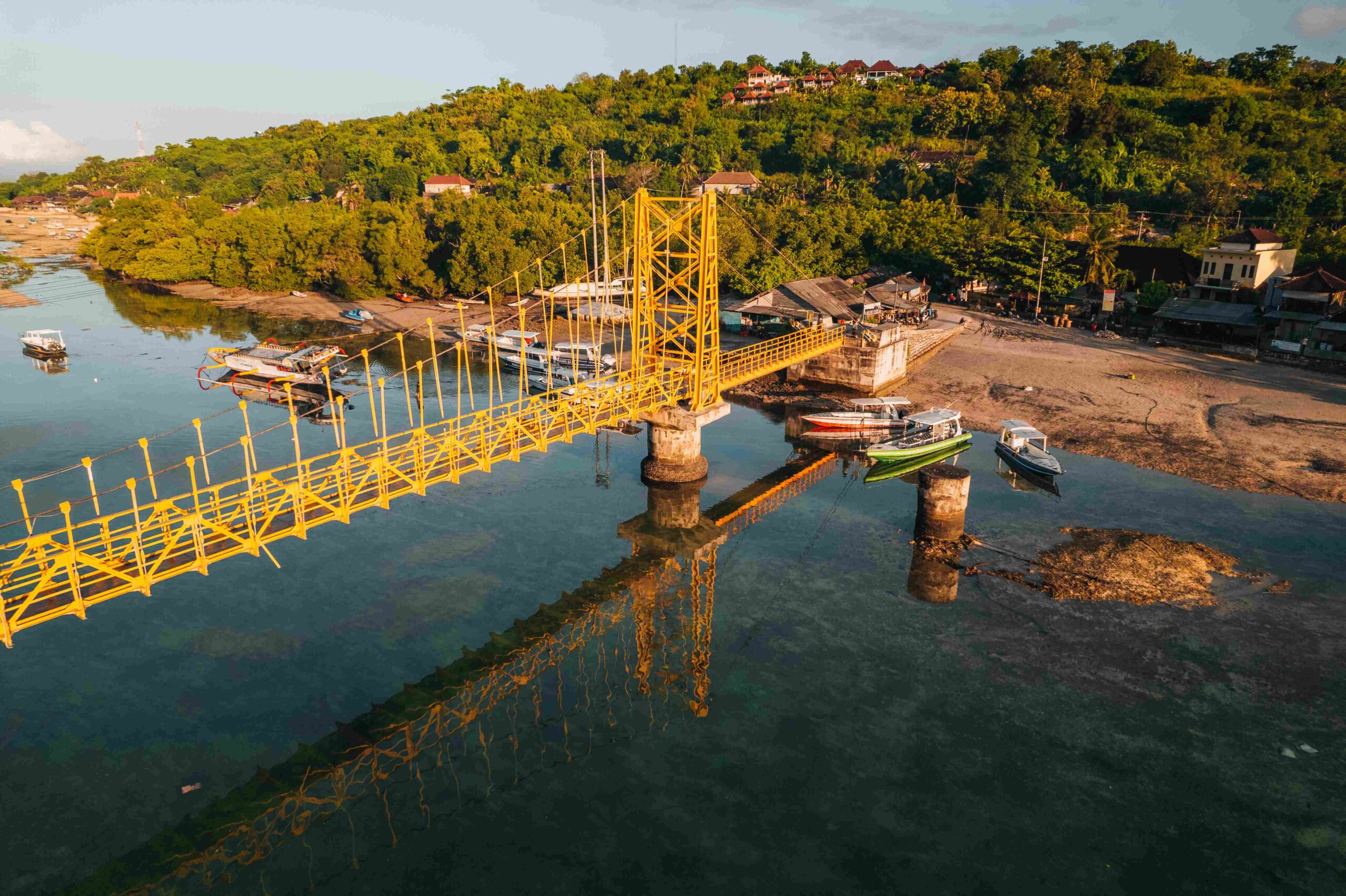
Nusa Ceningan is the smallest island, and yet, you can still get a good half-day or full-day’s worth of fun on this lesser-explored spot.
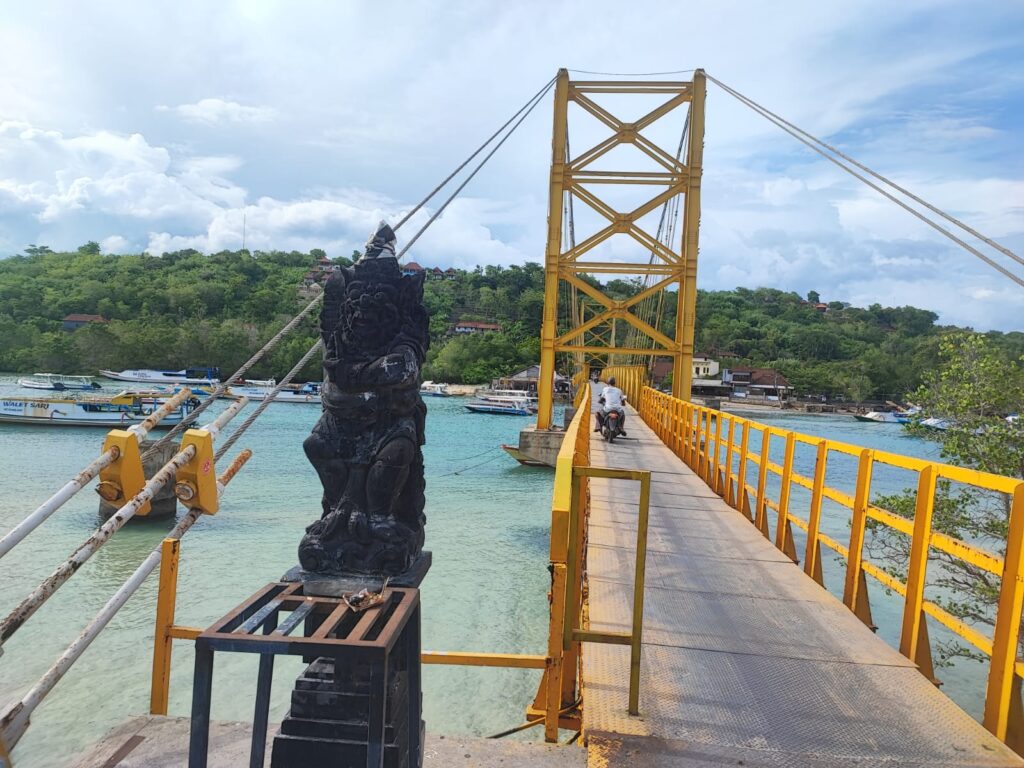
Check out the Yellow Bridge, which links the place to Nusa Lembongan, visit the Secret Beach, zipline from the Driftwood Bar and then go Cliff Jumping. And there’s plenty more too.
We wouldn’t stay on Ceningan though, it’s better to stay on Lembongan, there are more options there.
So, Where Should You Stay In Bali?
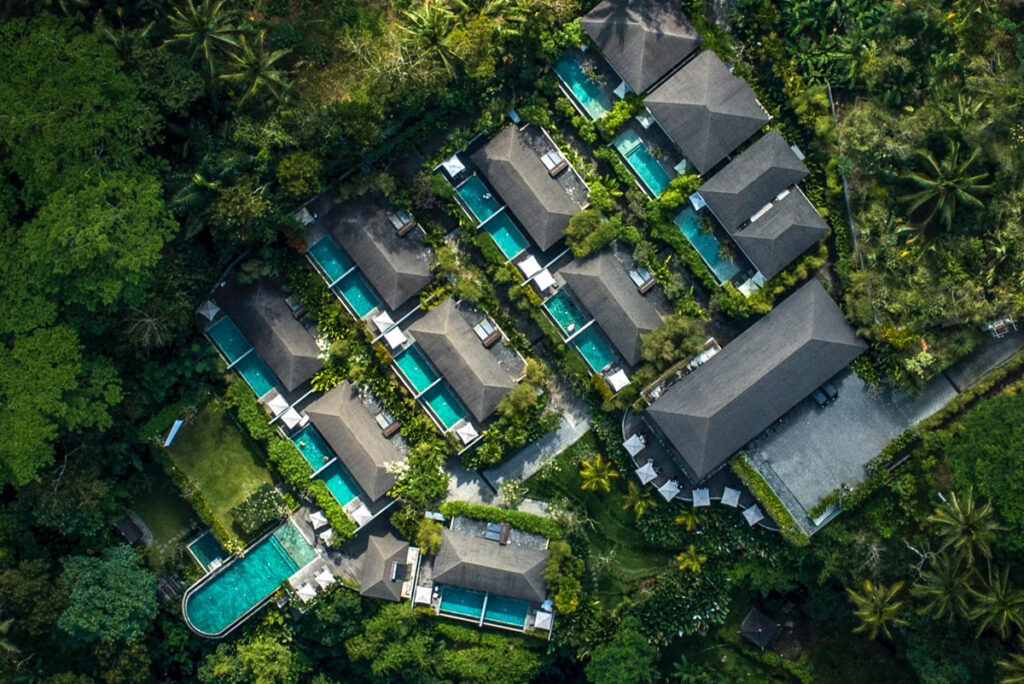
We’d recommend that you look into what each area is about and the things you particularly want to see.
Then, depending on how long you’re in Bali for, you may want to decide on a multi-centre holiday with 3-4 days in each area you choose.
Don’t forget it’s not that hard to get between neighbouring areas of Bali, so going from Seminyak Beach to Canggu for FINNS Beach Club is easy enough, for example.
At the same time, though, you don’t want to keep moving around the island every day. The traffic here isn’t the greatest, and we’ve seen people with an itinerary of 15 different resorts in 15 different areas across a two-week holiday.

All that kind of trip leads to is standing around in hotel lobbies without seeing anything at all.
An example of a standard Bali itinerary might be: 4 days in Canggu, followed by 4 days in Ubud, then 4 days in Amed, before 2 days in Jimbaran or Uluwatu before you leave.
That would allow you to see a huge number of the best attractions in Bali without always being in traffic or waiting to check into a hotel.
If you want to see the Nusa Islands, we’d recommend putting them towards the start or middle of your trip rather than leaving them to the end.
In some cases, if the weather is bad, then the boats from the islands to the Mainland won’t be running, and that will mean you can’t get back for a flight if it’s at the end of your stay in Bali.
Given that bad weather doesn’t tend to last for long here, if you book at the start of your trip, you may have to move your itinerary around, but you’ll still get back to the Mainland before you fly.
Is Bali Enough For A Holiday?
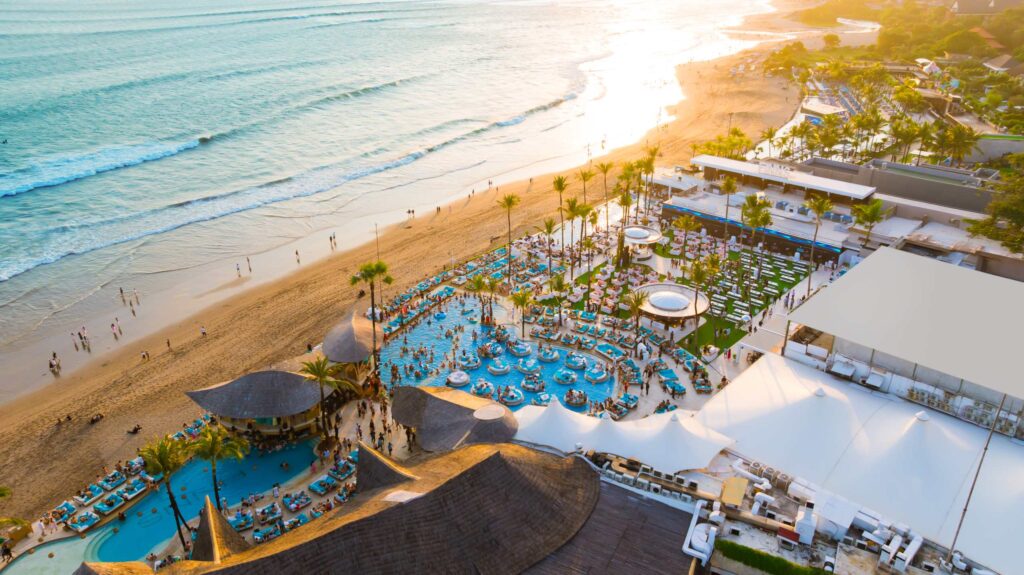
We’re often asked if people should book Bali as part of a trip that encompasses more of the Indonesian archipelago than just Bali.
After all, Yogyakarta, Komodo, Labuan Bajo, etc., are all very tempting destinations in their own right.
And we’d say that again, that’s very much up to you. We stay in Bali all year round, and we don’t get bored with the place. There is more than enough to see and do for an amazing 2-4 week holiday just on this island.
But we can also understand that if this is your only trip to Indonesia, you want to squeeze in as many destinations as you can.
Our recommendation is that if you do move around, remember that travel eats a big chunk out of your time, and you want to see more than the inside of planes, boats, taxis, etc.
So, pick two or three places at most in 2-3 weeks and make the most of each of them. When you stay in Bali, base yourself in Central Bali and take a day trip or two to the beaches (and FINNS Beach Club). That way, you can see some of the highlights of the island before you move on.
FAQs
What Is The Nicest Part Of Bali To Stay In?
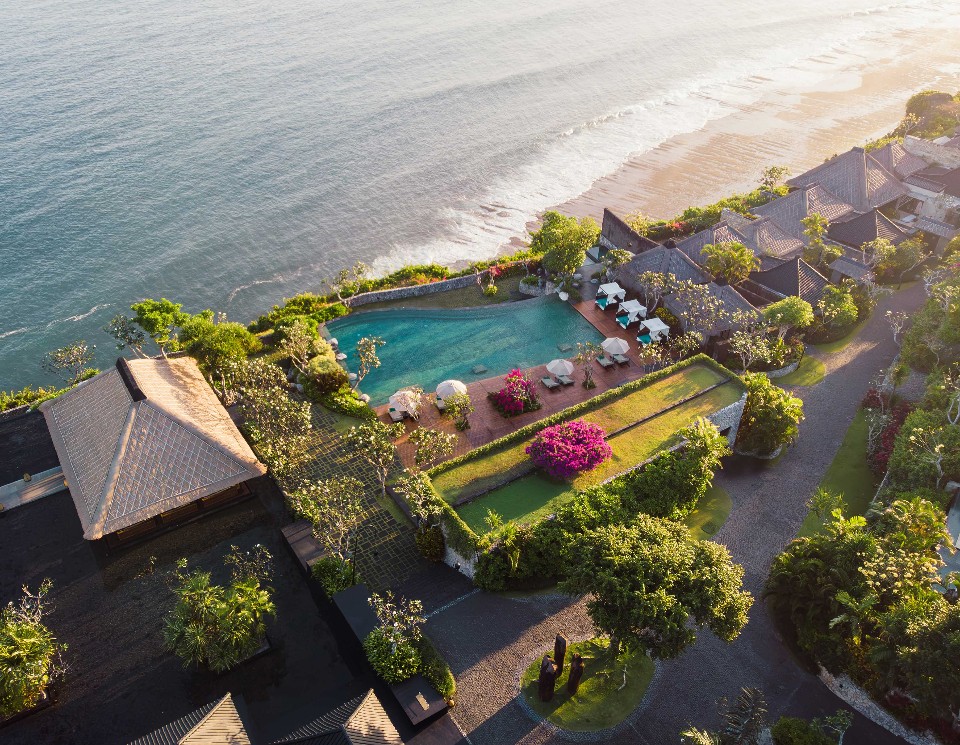
It really depends on you. Some will say Canggu for its surf-friendly beaches, relaxed vibe, cool cafes and FINNS beach club. Some will opt for the gorgeous villas and luxury hotels or Nusa Dua with its white sand beaches and family-friendly set-up. Others would prefer to go hiking on Bali’s west coast or explore the rice terraces and temples of Ubud, or go snorkelling on Amed Beach.

There are no unpleasant parts of Bali to stay in, so it’s really about finding somewhere that works for you. Beach bars or a romantic getaway? The choice is always up to you.
Should I Stay In Seminyak Or Ubud?
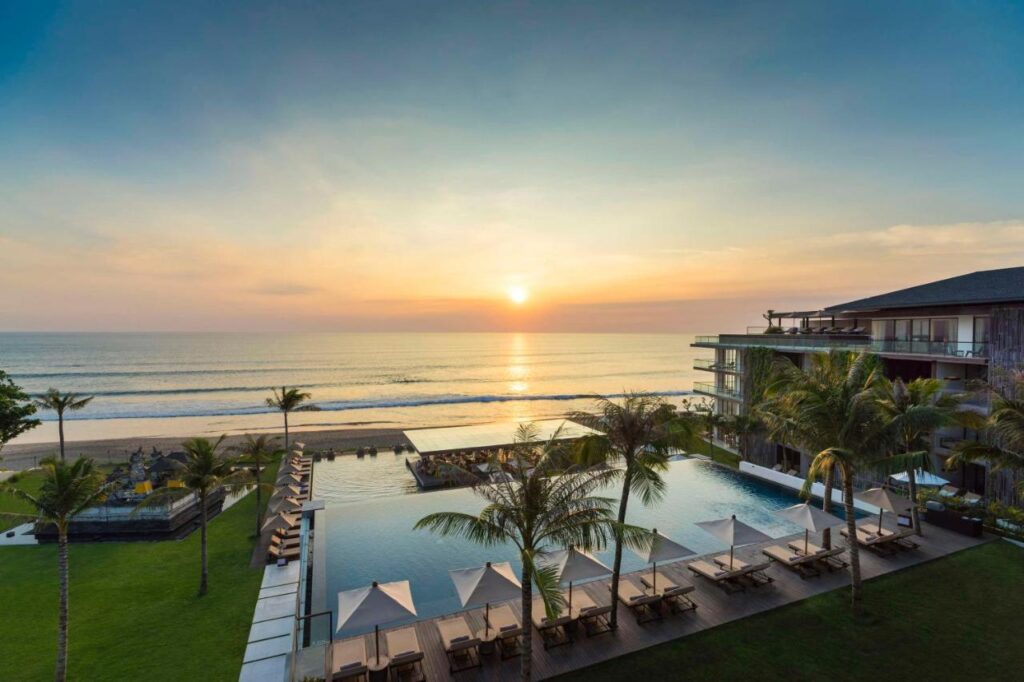
Seminyak Beach is home to some of the swankiest beach resorts on the island, and if you love beach hopping, nightlife and shopping, Seminyak is an amazing area to stay in.
Ubud, on the other hand, has no beaches, but it offers rice terraces, waterfalls, temples, monkey forests, yoga shalas and much more. If you love culture and a hippy-ish vibe, then Ubud’s going to be a great spot for you.
But neither is better than the other, and many people opt to stay for some time in Seminyak and then move to Ubud (or vice versa) for another part of their holiday.
Where To Avoid Staying In Bali?
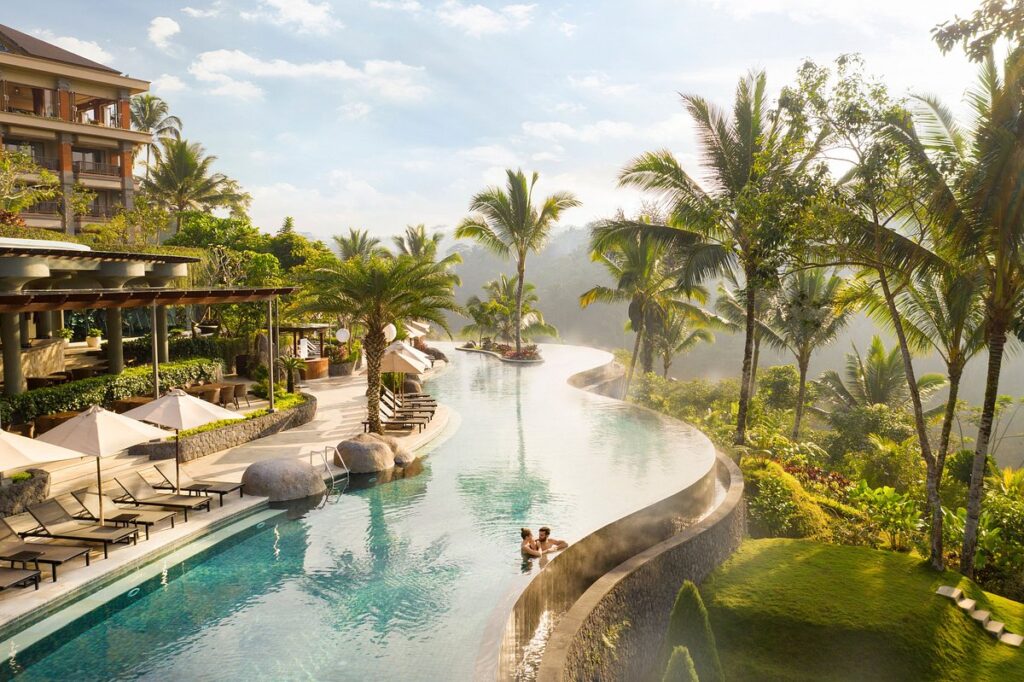
There are no bad or dangerous areas of Bali, and that means you can stay pretty much anywhere you want to.
Be it the Southern tip of the island, along Batu Bolong Beach, or at a scuba diving resort in East Bali.
However, as with every country and place on Earth, not all hotels, guesthouses, villas, etc., are created equally, so it’s always important to read up on where you want to stay, check the online reviews, etc. to ensure that you’re staying somewhere really nice.
Is Seminyak Or Uluwatu Better?
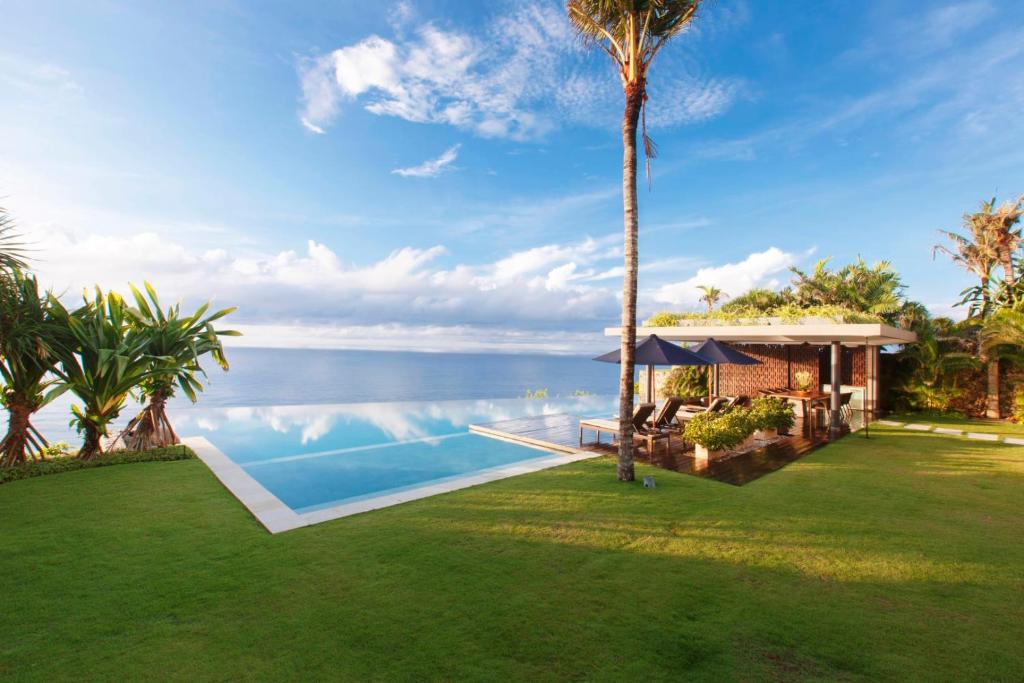
As with Seminyak vs Ubud, the answer is really that you need to decide what you want from your stay in Bali.
Uluwatu is very spread out, and it has great surfing beaches in its beach scene. They’re calm beaches compared to those in Seminyak. But getting around the area requires transport; walking isn’t practical, there’s very little shopping, and the nightlife is quite undeveloped.
Seminyak Beach draws luxury seekers from around the world for private villas and high-end resorts on the Indian Ocean. It’s a busy, vibrant area where you can easily walk from beach club to restaurant to boutique shops.
One isn’t better than the other; they’re just different. And the good news is that if you stay in one, you can reach the other on a day trip (though we recommend setting off early to beat the traffic).
Is $1000 AUD Enough For A Week In Bali?
How do you want to live? For some people, $1,000 AUD a week is an amazing holiday. For others, there are luxury resorts where $1,000 AUD doesn’t pay for a single night’s stay in Bali!
In general, you can stay in some high-end resorts (without going overboard), particularly in less-visited parts of the island. You can eat well (but no or very limited fine dining) and enjoy beach access, rice terraces and more on $1,000 AUD a week.

However, luxury travellers might struggle a little, and those who want to spend every night out enjoying the party scene might find it’s a little constraining as budgets go too.
Are The Gili Islands In Bali?
No, while you may see the Gili Islands on a Bali map every now and again or in an ill-informed article about this part of Indonesia, the Gili Islands are not a part of the province of Bali; they’re in Lombok, which is the province (and island) next door.
You can reach the Gilis from Bali easily enough, and many people include them as part of their Bali trip planning, but they’re 100% not in Bali.
Final Thoughts On The Best Areas Of Bali In 2026
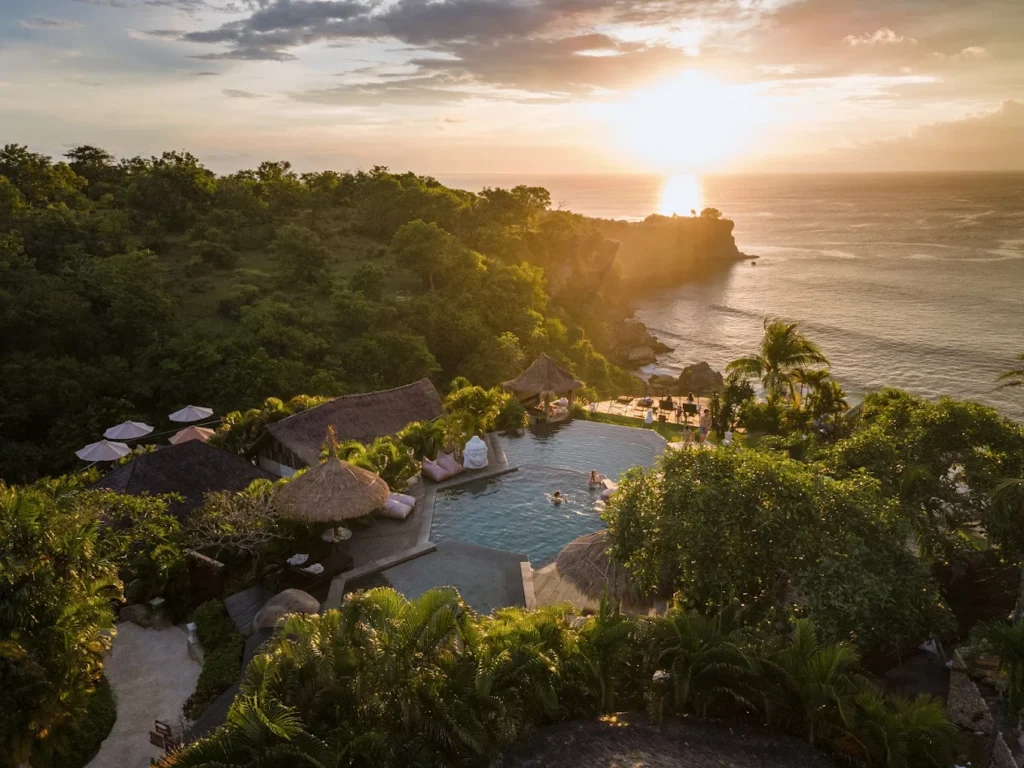
We’re not being biased when we say that the home of FINNS Beach Club, Canggu, is our top spot to stay in Bali.
It’s got that beach life vibe, trendy cafes, tourist attractions galore, black sand beaches, boutique shops, and sunset drinks mix that most tourists are going to lap up.
However, we’d also note that the best holidays in Bali tend to involve 3 or sometimes four destinations or quite a few day trips into other areas.
There are no bad parts of Bali; it all comes down to what you want. A party destination, lush greenery and rice fields, luxury villas, cool mountain air, beautiful beaches, and hidden gems? You can have them all on a Bali holiday; you just have to decide where you want to stay.
We hope that our guide above will help you do just that. See you soon, on the Island of Gods!