
If you ask any Balinese what’s one thing that makes anything taste better, without a doubt, they will say sambal matah.
This condiment is the perfect combination of bold, spicy flavours, and goes well with grilled fish, chicken, or just as is. It is an absolute non-negotiable in the Indonesian food tapestry.
If you haven’t tried it yet – do it! We are about to share some authentic places to try sambal. And if you have already and are curious how to recreate this sauce of the Gods at home, we have an easy recipe for you, too.
Summary: All You Need To Know About Sambal Upfront
- Sambal’s main ingredient is fresh chilli. So it is very spicy.
- Balinese raw sambal is called sambal matah, and it has shallots, lemongrass, and chilli as main ingredients. It is delicious!
- The best way to try it is to eat like a local at one of the warungs or Indonesian restaurants. Waroeng Spesial Sambal “SS” has more than 35 sambal varieties to try (but it is a very local experience service-wise).
What Is Sambal In Bali?

Sambal Matah is one of the two main types of sambal, specifically sambal mentah – raw sambal.
It is a condiment originating from Bali, Indonesia, where the main ingredient is fresh bird’s eye chilli peppers (cabe rawit).
The flavour is easy to recognise: spicy, fresh, garlicky.
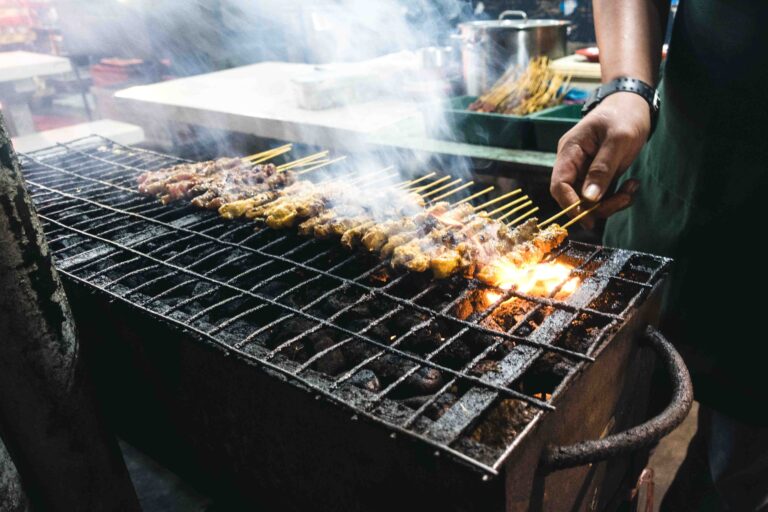
In Bali, it is commonly served with any traditional meal, mainly with grilled meats (pork belly, seafood, chicken, duck, beef, goat).
To be fair, sambal exists everywhere in Indonesia; it is technically just a spicy condiment, but every region will have their own version with slightly different ingredients or cooking methods. However, they all start with a bunch of chili peppers!
Where Does Sambal Come From?

It is believed that chilli was brought to Bali and Southeast countries from the Americas when trade was strong (about the 16th century, according to Wikipedia), and black pepper was introduced in about 12th century from India.
However, before that, there were vegetables called long peppers, which were similar in flavour and Indonesians already used in cooking.
Inventive locals quickly combined new ingredients with local aromatics to create pungent spice pastes and sauces to elevate rice and grilled meats. The traditional way to extract flavours from herbs and roots was to pound them with a stone mortar.
And within 200 years, by the 18th century, dozens of recipes to make sambal appeared all over Indonesia and Malaysia.
Where To Try & Buy Sambal Chili Sauce In Bali
Honestly, any warung (family-owned eatery) will serve you fresh sambal, homemade, with your portion of nasi (rice) and fried chicken.
Warung Sika, Canggu

Just a great place to enjoy a buffet-style setting and local food. It will come with sambal matah, so you will get to try it!
Indonesian servings of condiments are small, but it is enough to go with your meal.
Where Is It? Jl. Tanah Barak No.45, Canggu, Kec. Kuta Utara, Kabupaten Badung, Bali 80351, Indonesia

Sambal Bakar Indonesia, Seminyak

One of the best places to try three different cooked sambals: milder tomato-based (sambal tomat), spicy Sambal Bara (Sambal Bawang) with lots of onion, and extra spicy Sambal Gajja (Sambal Hijau) with green chillis.
The beauty is that you can order food you like (chicken, grilled seafood, short ribs, etc) with one of these sauces.
This Indonesian restaurant has a few locations, but the Seminyak one is more popular.
Where Is It? Jl. Sunset Road No.106, Seminyak, Kec. Kuta Utara, Kabupaten Badung, Bali 80361, Indonesia
Warung Mak Beng, Sanur

An iconic seafood warung in Sanur, which also makes the perfect sambal (typically served with meals).
Their cooked sambal is quite spicy, so brace yourself.
Where Is It? Jalan Hang Tuah No.45, Sanur Kaja, Denpasar Selatan, Jl. Hang Tuah No.51, Sanur Kaja, Denpasar Selatan, Kota Denpasar, Bali 80227, Indonesia
Warung Resép Oma, Uluwatu

Simple local warung with home-cooked food, nasi campur (mixed rice) style, where you pick as many sides and proteins as you wish.
Delicious dishes and good sambal, but not a lot comes with a portion.
Where Is It? Jl. Pantai Balangan, Jimbaran, Kec. Kuta Sel., Kabupaten Badung, Bali 80361, Indonesia
Umah Cemagi

A hidden gem, this buffet-style cafe serves Indonesian food, including some vegetarian options, traditional desserts, and soups.
You can get a few condiments for your meal, and they make a sambal version that is not spicy! If you can’t handle spice, this is your best bet to get a feeling of sambal matah.
Where Is It? Jl. Pantai Seseh, Cemagi, Kec. Mengwi, Kabupaten Badung, Bali 80351, Indonesia
Suka Sambal Bali, Kerobokan

A warung and an online shop where you can order a few jars to take home as souvenirs.
They make it with different heat levels and stick to authentic recipes. Highly praised even by locals. Their best seller among 9 types is the sambal cumi-paste made with squid!
Where Is It? Jl. Gn. Tangkuban Perahu No.6A, Kerobokan Kelod, Kec. Kuta Utara, Kabupaten Badung, Bali 80361, Indonesia


Waroeng Spesial Sambal “SS” Teuku Umar, Denpasar

One of the local spots to eat real sambal is the chain Warung Special Sambal (SS) in Bali and Java. A great variety of authentic dishes and sambals for those who love the heat!
Easy to come many times to try all the spicy condiments. Think sambal mangga (with mango), sambal bajak (with shrimp paste and tamarind), sambal cumi (with squid) – they have 35 types of sambal – the most ANY place in Bali has.
We’ve come here many times and had great experiences, but fair warning – some days stars don’t align and service takes a super long time (like an hour) and isn’t on par with SS warungs in Java.
Where Is It? Jl. Teuku Umar Barat, Padangsambian, Kec. Denpasar Bar., Kota Denpasar, Bali 80119, Indonesia
Easy Recipe To Make Authentic Balinese Raw Sambal

You can make sambal in just 15 minutes and impress your friends and family back home!
You’ll Need
- Pan
- Medium bowl
- Optional: gloves, if you are sensitive to spicy ingredients.
Key Ingredients
Chilli peppers. Original Balinese raw sambal matah calls for bird’s eye peppers – hot, elongated pepper with red and green colours. On the Scoville scale, they get about 50.000-100.000 points, which is hotter than Cayenne but milder than Scotch Bonnet peppers.
But you can use hot red peppers you can find (red jalapenos, cayenne, even dried). You can remove the seeds to make it less spicy.
Shallots. Another key ingredient to making an authentic recipe. You could substitute them with red onions, but we have to say, it is not the same (they can turn bitter). You can use a 1:1 ratio of shallots and chillis, or add more shallots to soften the heat.
Kaffir lime leaf. If you can find it, it is amazing, as it is for Balinese cooks, like bay leaf for us. It transforms the flavour of the whole mix.
Lime (regular lime or kaffir lime). Use it to grate some lime zest and lime juice. It will add both acid and bitter taste (just slightly) and cut through the heat. You can replace it with lemon juice in a pinch.
Garlic. Never can go wrong with garlic. It is used fresh and sometimes fried as well as a crunchy topping.
Lemongrass stalks, specifically the tender white part at the bottom. It has a sweet and zesty flavour and is used in many dishes in Indonesia. You won’t need the leaves.
Shrimp paste. A staple in many Asian cuisines, shrimp paste is packed with flavours and is made from fish or shrimp. It has a deep umami flavour. You can skip it if you want to keep the flavours fresh.
Coconut oil. We will use it for frying if you want to add hot oil over your mix (not mandatory) or fry some shallots.
Salt and sugar to balance out the flavours. Many local families actually use palm sugar.
Directions
- Finely chop chilli, shallots, garlic, lemongrass stalks, 1 teaspoon of shrimp paste, and combine ingredients in a bowl.
- Optional: Heat coconut oil in a skillet over medium heat. You can also fry some extra sliced shallots and garlic in it to later sprinkle over sambal matah. Pour hot oil over the chopped vegetables. This step is not mandatory, and you can easily keep it raw and fresh!
- Add salt and sugar to taste.
- If you want to serve sambal matah, let it rest for about an hour to soak up all the flavours. Serve cold with fresh vegetables, rice, and meat or seafood dishes.
- Store in an airtight container for up to one week.
Other Variations Of Sambal You Should Try
There are many recipes to make sambal, more than 300, only in Indonesia, to be exact. No way we can cover them all, but here are a few others we really love.
Raw sambals (mentah) are common in Bali and East parts of Indonesia, while cooked (masak) sambal is more popular in Western Indonesia.
Sambal Terasi

Sambal Terasi, also called Sambal Belacan (in Malaysia), is a popular cooked sambal version with chilli, shrimp paste, garlic, shallots, and often tomatoes.
To balance flavours, you can add tamarind or lime juice and palm sugar.
You can try it at Warung Ngorte (delivery available)

Sambal Embe

Another traditional Balinese sambal, Sambal Embe, is made with shallots (or red onions), bird’s eye peppers, shrimp paste, salt, and coconut oil, all stir-fried together.
Some home cooks add mushroom broth to cook the mix down.
Warung Ngorte also has it!
Sambal Tomat (Sambal Bakka)

A dipping sauce or a spicy paste, sambal tomat is a Balinese sambal, made with similar ingredients like sambal matah (red chilli, shallots, garlic, shrimp paste), but it is cooked.
First, shallots and garlic get crisped in hot oil, then you add chopped chilli, stir fry them, add palm sugar and tomatoes and cook until everything is cooked down. Sprinkle with salt and squeeze some lime or lemon juice.
Sambal Balado

Indonesian sambal Balado is a cooked spice paste made with green or red chilli, shallots, garlic, and often tomatoes.
You would then use a stone mortar and pestle (ulekan) if you want to keep it authentic, or a food processor and combine all the raw ingredients until they resemble a paste. Then you cook it in a hot cooking oil for about 5 minutes to extract all the flavours.
Many Javanese and Sumatran warungs will have it. If you’re vegan, Warung Meran Putih in Petitenget has it, too
Sambal Sere Sapia

Spicy and the easiest sambal recipe to make – you just need sliced hot peppers, shrimp or fish paste, and coconut oil. Heat oil in a skillet, cook all the ingredients, salt if necessary and enjoy!
It will be best if you want to cook some meat with it, or as a dipping sauce.
FAQs
What Is Indonesian Sambal?
Indonesian sambal is a chilli-based condiment that locals ass to any meal to add heat and flavour. No one loves bland, boring food!
Every region has its own version – Balinese raw sambal matah is delicious, fragrant, fresh sambal with shallots, chillis, garlic, and lemongrass stalks. Java and West Sumatra love sauteed sambals with tomatoes and shrimp paste for bold umami flavours.
The basic setup for sambal always has chilli peppers, some aromatics (ginger, galangal, lemongrass, garlic, shallots, kaffir lime leaf, etc), something sweet (palm sugar), and something acidic (tamarind, lemon or lime juice).
It is usually served with the main dish, like fish or chicken, and rice.
Is Sambal Matah The Same As Indonesian Sambal Balado?
Indonesian sambal Balado is also a chilli-based sauce, coming from Padang, West Sumatra, but it is different from sambal matah.
Indonesian sambal balado combines red or green chili peppers, shallots, garlic, and, rarely kaffir lime leaves, lemongrass stalks, tomatoes, or shrimp paste. Unlike the raw sambal matah, balado is actually cooked (such sauces are called sambal masak)
Another big difference is that sambalado is used in cooking, as a sauce, not as a condiment served on the side. So you can see dishes like Udang Balado(shrimp) or Terong Balado (eggplant – spoiler, it is delicious!), and it means that they were cooked with this chilli sauce.



What Does Sambal Consist Of?
Typically, sambal is made with chilli peppers, shallots, garlic, shrimp paste, and other aromatics like kaffir lime leaf, lemongrass stalks, lime juice, torch ginger buds (Balinese sambal bongkot), etc.
It can be completely raw, you can add hot oil, or cook the paste.
You will find some regions that also add tamarind to the recipes.
Final Thoughts On Sambal, Bali

Sambal is such a big part of the Balinese lifestyle and cuisine that it is impossible to fully understand the culinary culture without trying it. Spicy, punchy, but fresh and elegant, sambal matah is a delicate condiment that generations of Balinese people love and make by hand.
Whether you’re just a foodie, spicy food lover, or want to immerse yourself in culture in any way possible, Balinese warungs and cooking classes won’t leave you disappointed.
Don’t be shy and try different versions of sambal to find your favourite!