
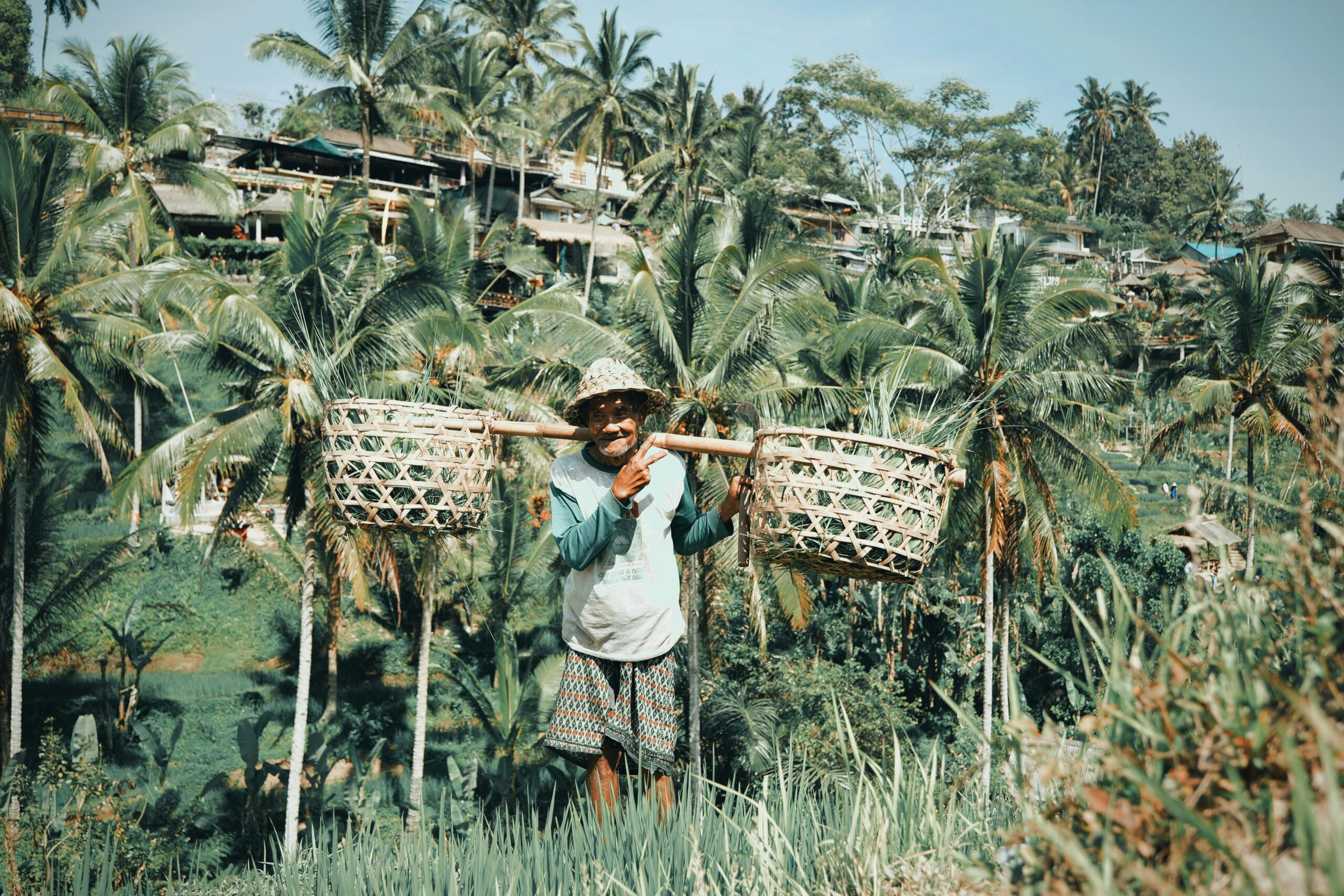
Once known for its terraced rice fields and traditional village life, Bali’s economy has transformed dramatically over the past few decades. What was once a largely agricultural island now thrives on tourism, with millions of visitors arriving each year to experience its beaches, temples, and culture.
Yet beneath the surface of the holiday atmosphere lies a complex and evolving economic story; one that balances rapid growth with sustainability, tradition with modernity, and global demand with local livelihoods.
Today, Bali stands at a crossroads. While tourism remains the backbone of its economy, new sectors such as digital entrepreneurship, eco-conscious businesses, and sustainable farming are shaping a more diverse and resilient future for the island.
How Bali’s Economy Evolved
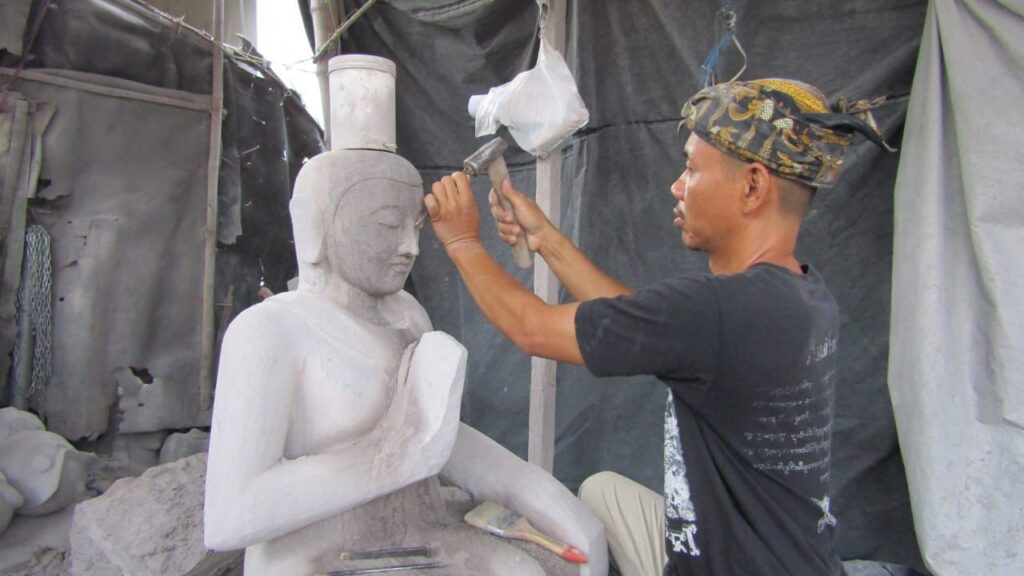
Bali’s economy is a story of contrast and change.
From traditional rice farming and artisanal crafts to luxury resorts and digital startups, the island has constantly adapted to meet the times.
Each era has shaped the Bali we know today, blending deep-rooted traditions with an increasingly global outlook.

Traditional Economic Foundations
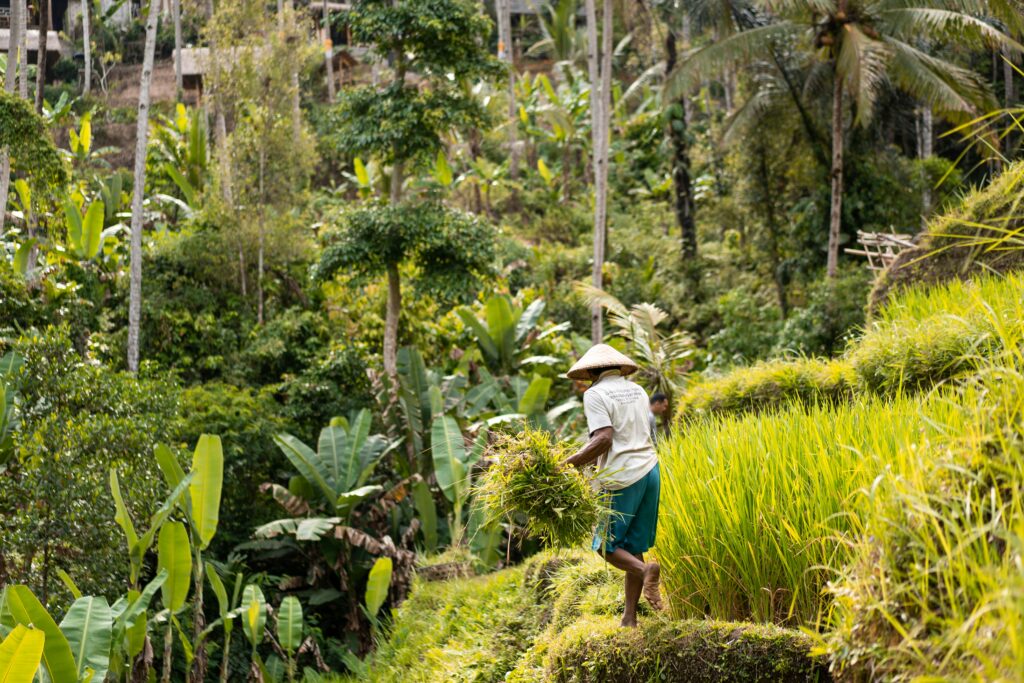
Before the rise of tourism, Bali’s economy was deeply rooted in agriculture.
Rice farming, especially in the lush terraced landscapes of Ubud and Tegalalang, formed both the backbone of local livelihoods and the heart of Balinese culture.
The Subak irrigation system, recognised by UNESCO, wasn’t just about water management; it represented a cooperative approach to life that tied spirituality, community, and farming together.
Alongside rice, Balinese farmers grew coffee, cocoa, coconuts, and tropical fruits, with many families still maintaining small plots today.
Handicrafts and weaving were also long-standing traditions, often traded between villages or sold at local markets.
These industries helped sustain rural areas before mass tourism arrived, and they continue to supplement incomes in many regions.
Rise Of Tourism

The shift began in the 1970s, when Bali was promoted as a peaceful island of art, spirituality, and natural beauty. What started as a trickle of adventurous travellers soon turned into millions of annual visitors.
The construction of Ngurah Rai International Airport in Denpasar opened the floodgates, connecting Bali to the rest of the world.
Tourism soon drove almost every aspect of the island’s economy, from hotels and restaurants to transport, entertainment, and retail.
Kuta, Seminyak, and Nusa Dua became major resort hubs, while Ubud drew those seeking wellness and culture.
This era of tourism development transformed Bali from a quiet agricultural land into one of Southeast Asia’s most visited destinations.
It created hundreds of thousands of jobs, improved infrastructure, and lifted living standards, but it also increased pressure on the environment and had a negative impact on traditional village life.
Small Businesses And Local Crafts
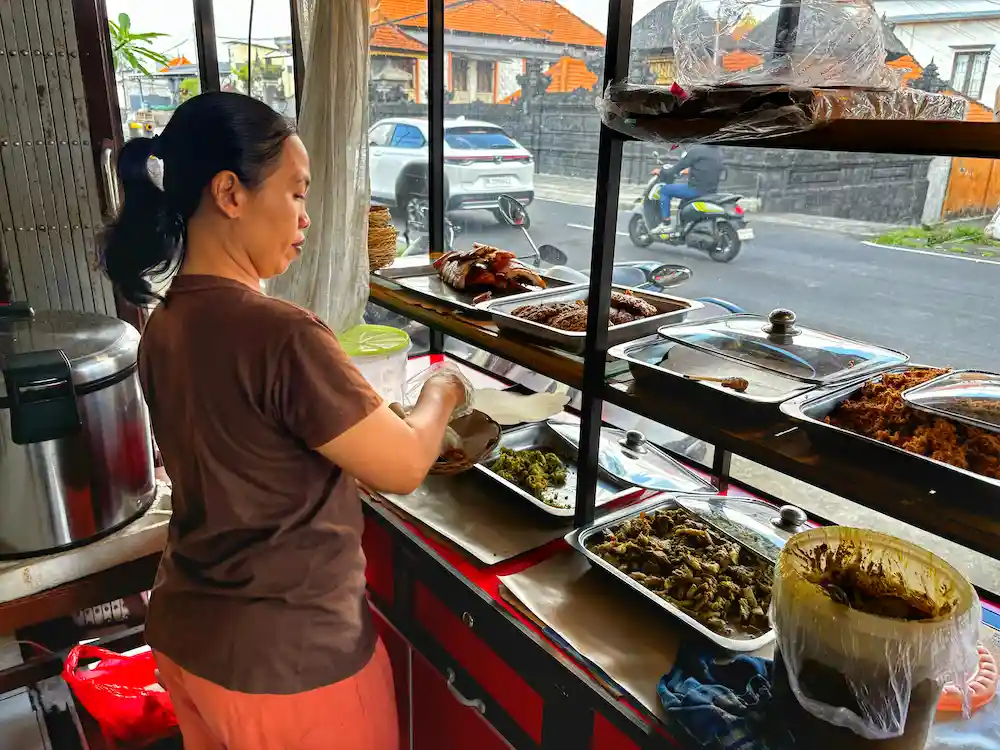
Despite the dominance of large resorts and international investment, small businesses remain the lifeblood of Bali’s economy. These small enterprises are vital to local communities, helping to keep traditional skills alive while supporting families.
Family-run guesthouses, local eateries, and artisan workshops employ vast numbers of Balinese people. In villages like Celuk, Mas, and Batubulan, silver jewellery, woodcarvings, and stone sculptures are made by hand, crafts that have been passed down through generations.
These industries thrive thanks to the steady stream of visitors, but they also reflect a resilience that predates tourism. By selling directly to visitors, these artisans ensure the economic benefits of tourism are more equitably distributed.
Many Balinese families blend tradition with modern marketing, selling products through Instagram, Etsy, and local markets alike.
Modern Shifts And Digital Nomads

In recent years, a quieter but important shift has taken place. Bali has become one of Asia’s most popular destinations for remote workers, entrepreneurs, and digital nomads, as well as regular tourists.
Areas like Canggu, Seminyak, and Ubud now have world-class coworking spaces, fast internet, and long-term rental options, a lifestyle that attracts skilled professionals who spend months or even years on the island.
This influx has brought new income streams beyond traditional tourism. Digital entrepreneurship, wellness, and sustainable fashion are emerging as strong alternatives to tourism, helping to strengthen other sectors of Bali’s economy.
However, rising living costs and competition for housing have also sparked debate about how this trend affects residents. Informal workers – drivers, cleaners, and vendors – have felt both the opportunities and the strain of Bali’s evolving digital economy.
Post-Pandemic Recovery
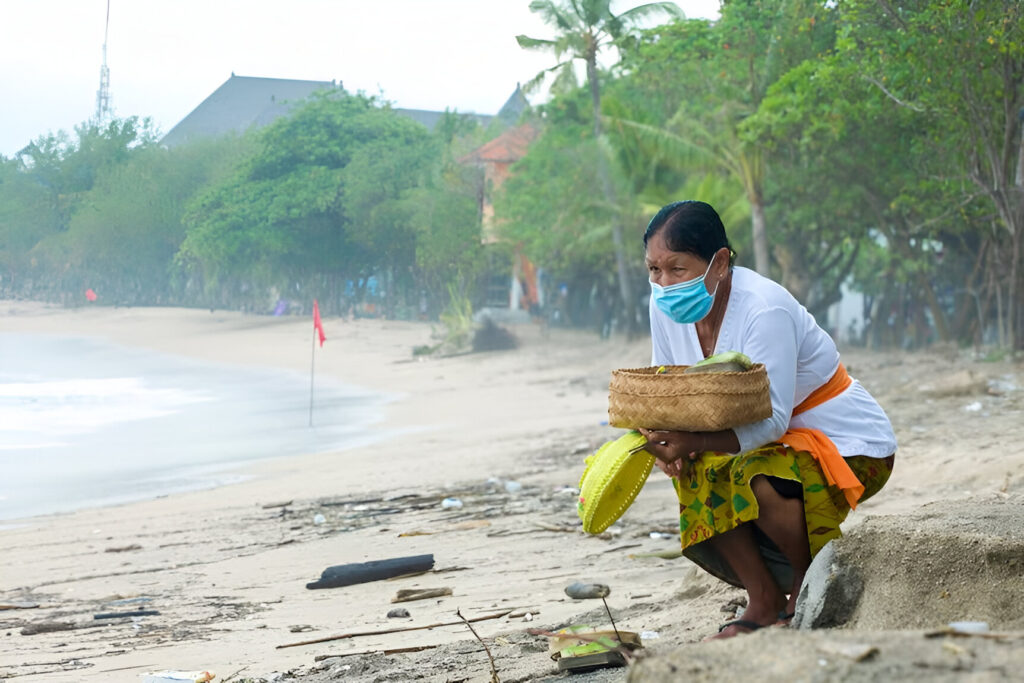
When borders closed in 2020, Bali’s reliance on tourism became painfully clear. Entire sectors ground to a halt, and many workers returned to their family villages to farm.
Yet the crisis also pushed local innovation. Small farms and craft cooperatives gained renewed attention, domestic tourism grew, and eco-conscious travel gained momentum as the island reopened.
Recovery efforts now emphasise sustainable development, with policies that protect Bali’s culture and environment.
Global tourism bounced back strongly in 2024, reaching more than 1 billion international trips, a 22% increase compared to 2023, according to Indonesia’s Minister of Tourism.
Bali alone welcomed 6.3 million foreign visitors and over 10 million domestic tourists, a clear sign that the island remains one of Indonesia’s leading destinations.
Visitor numbers had rebounded strongly, though many business owners are now more aware of the risks of over-dependence on a single industry. There’s a growing emphasis on sustainability, fair wages, and protecting the island’s cultural and natural assets.
The pandemic was a tipping point, reminding Bali of the risks of depending too heavily on tourism.


The Road Ahead For Bali’s Economy
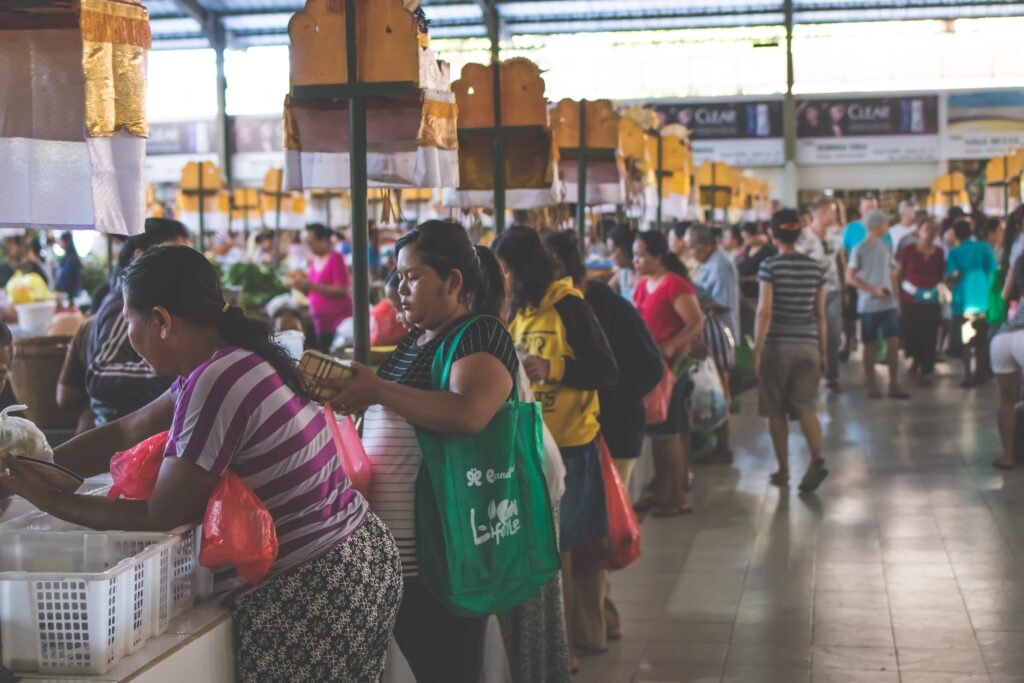
As Bali looks to the future, its economic direction depends on how well it balances growth, sustainability, and local well-being. The island’s next chapter could be shaped by innovation, eco-conscious policies, and a renewed focus on self-reliance.
Building More Sustainable Tourism Practices

The pandemic made clear that relying almost entirely on international tourism leaves Bali vulnerable.
Future growth will need to focus on quality over quantity, attracting visitors who stay longer, spend more, and respect the island’s cultural and environmental values.
Efforts are underway to promote eco-friendly hotels, support local suppliers, and improve waste management, especially in popular areas like Canggu and Ubud.
There’s also growing interest in community-based tourism, which channels money directly into villages rather than large corporate chains.
Diversifying Beyond Tourism

Tourism may remain the backbone of Bali’s economy, but the island’s leaders are encouraging more balance.
Agriculture is seeing renewed investment through organic farming and sustainable production methods, while Bali’s creative and tech sectors are slowly expanding.
Digital nomads, local entrepreneurs, and small start-ups are playing a bigger role, driving demand for coworking spaces, e-commerce, and digital services.
These sectors are still small compared to tourism but show long-term promise for creating more stable, year-round income sources.
Investing In People And Infrastructure
Bali’s economic resilience also depends on education, infrastructure, and access to opportunity. The government has been investing in road improvements, internet connectivity, and training programs aimed at young Balinese entering the workforce.
Better infrastructure doesn’t just benefit tourism; it helps farmers access markets, supports small businesses, and opens doors for rural communities to take part in the island’s development.
With the right balance between innovation and preservation, Bali’s economy could become more inclusive, sustainable, and self-reliant in the years ahead.
FAQs
What Is The Main Economy Of Bali?
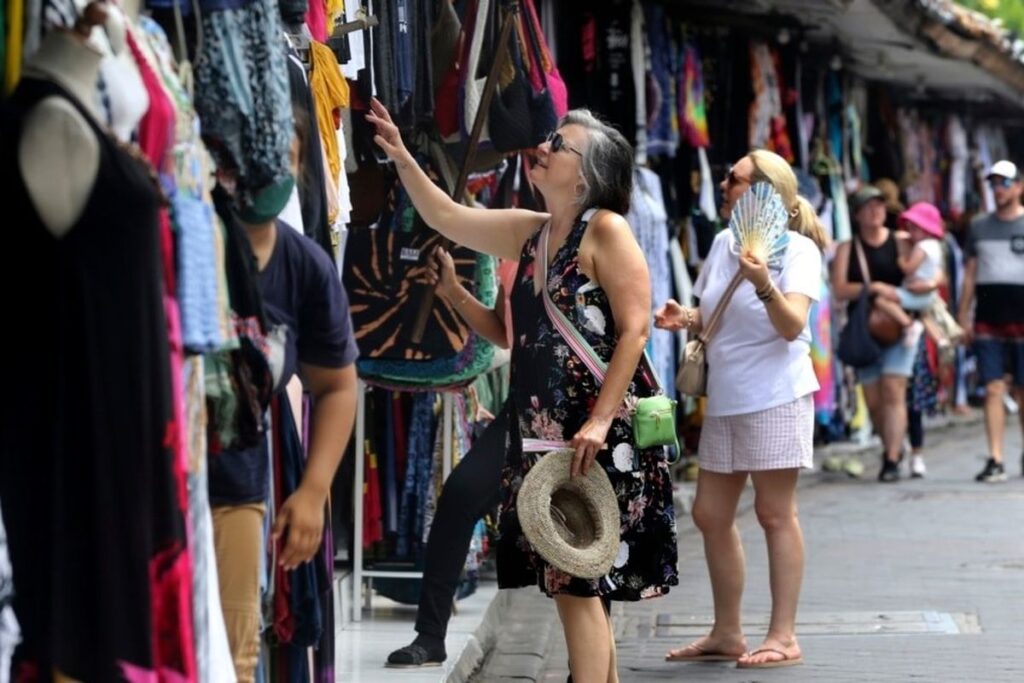
The tourist sector is by far the largest contributor to Bali’s economy, accounting for around 60–70% of total income before the pandemic.
The tourism industry supports hotels, restaurants, transportation, entertainment, and countless small businesses that rely on visitors.
Agriculture and handicrafts remain important, especially in rural areas, but they now play a supporting role to the dominant tourism sector.
What Is The Average Income In Bali?
Average income varies widely depending on location and type of work.
In 2024, the average monthly wage in Bali ranged from roughly 2.5 to 5 million Indonesian rupiah (about USD 160–320), with higher earnings in tourism and hospitality compared to farming or informal labour.
Many Balinese families also rely on multiple income streams, combining tourism-related work with agriculture or small trade.
How Does Bali Make Money?
Bali’s income mainly comes from tourism and the industries linked to it: accommodation, transport, food services, and entertainment.
The island also exports handicrafts, silverwork, and agricultural products like rice, coffee, and spices. In recent years, digital nomads and foreign entrepreneurs have added to the local economy through long-term stays, co-working spaces, and small-scale investment.
What Was The Tipping Point For Bali’s Tourism Development?
After decades of steady growth, the pandemic exposed how dependent Bali had become on tourism.
The crisis forced the island to rethink its development model, with a new focus on sustainability, diversification, and quality tourism rather than mass numbers.
It marked a major turning point for how Bali plans its economic future.
What Are The Challenges Of Bali’s Tourism Sector Today?
While tourism remains vital, it’s also fragile.
Issues such as waste management, traffic congestion, and housing pressures highlight the need for more balanced growth.
Bali’s leaders are now promoting eco-friendly travel and local enterprise to strengthen the sector’s long-term resilience.
Which Country Contributes Most To Bali’s Tourism?
Australia contributes the most to Bali’s tourism sector, followed by India, China, the United Kingdom, and South Korea.
In 2024, Australians made up the largest share of international visitors, supporting hotels, restaurants, and small businesses across the island, especially in coastal areas like Canggu, Uluwatu and Sanur.
Final Thoughts On The Economy Of Bali

Bali’s economy has come a long way from its farming roots, but growth has brought both opportunity and challenge.
Tourism has lifted living standards and created global recognition for the island, yet it’s also left Bali vulnerable to external shocks, as seen during the pandemic.
The next chapter of Bali’s economic story will depend on balance, finding ways to keep tourism sustainable while supporting traditional livelihoods and encouraging innovation in new sectors.
If Bali can achieve that, it will remain not just a tropical paradise for visitors, but a thriving, self-sufficient island for those who call it home.